If Banyumala is a temple of nature and Canggu is a global crossroads, then Ubud is the island’s sanctuary of the soul. Ubud comes from the Balinese word Ubad, which means “Medicine.” For centuries, this wasn’t a place for “tourism”; it was a place for healing.
The Confluence of Energy: Campuhan
The heart of Ubud isn’t the bustling market or the yoga studios; it is Campuhan. In Balinese, Campuhan means “where two rivers meet.” Specifically, it is where the two branches of the Wos River converge.
In local wisdom, the meeting of two waters creates a powerful spiritual vortex. This is why the 8th – century priest Rsi Markandeya chose this spot to build Pura Gunung Lebah. He recognized that the valley was thick with medicinal herbs and potent energy.
- The Local Way of Healing: When we say Ubud is a place of medicine, we don’t just mean herbs. We mean Sekala and Niskala —the seen and the unseen. A trip to Ubud, for a local, is about recalibrating the spirit. It’s about the cool highland air entering the lungs and the sound of the river washing away the “mental dust.”
The Art of Devotion
Many visitors see Ubud as an “Art Colony.” To a local, however, art is not a hobby or a business — it is an act of Yadnya (holy sacrifice).
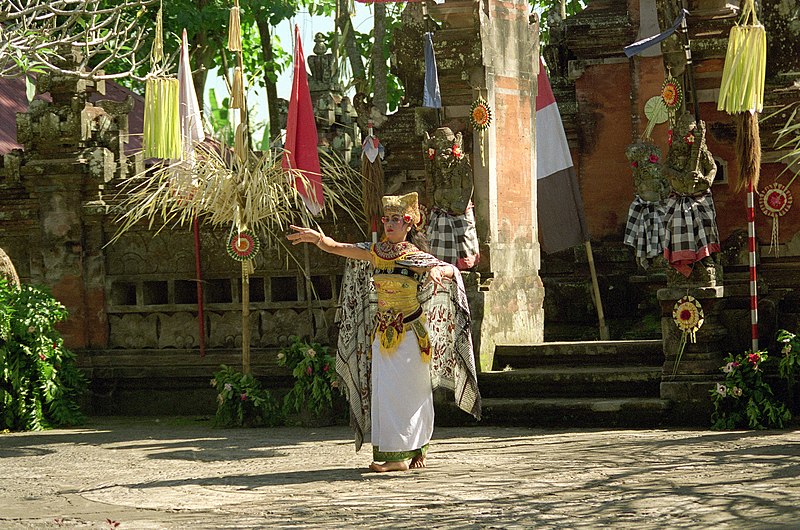
The intricate wood carvings, the vibrant paintings of the Pita Maha movement, and the hypnotic Legong dances performed at the Puri Saren Agung (Ubud Royal Palace) are all forms of prayer. In the past, a painter didn’t sign their name because the art didn’t belong to them; it was a gift to the gods to decorate the temple.
- The Royal Patronage: The Cokordas (the Royal Family of Ubud) still live in the palace. They aren’t just historical figures; they are the guardians of the culture. When you see a massive cremation tower (Wadhu) being carried through the streets, that is the Royal Family and the community working as one. This is the Pawongan (harmony between people) that keeps Ubud from becoming just another theme park.
- Looking for activities in Bali? Book a [Tour or Private Driver via GetYourGuide].
The Sacred Monkey Forest: A Lesson in Boundaries
The Mandala Suci Wenara Wana (Monkey Forest) is often treated as a fun photo-op, but for the people of Padangtegal village, it is a sacred site of coexistence.
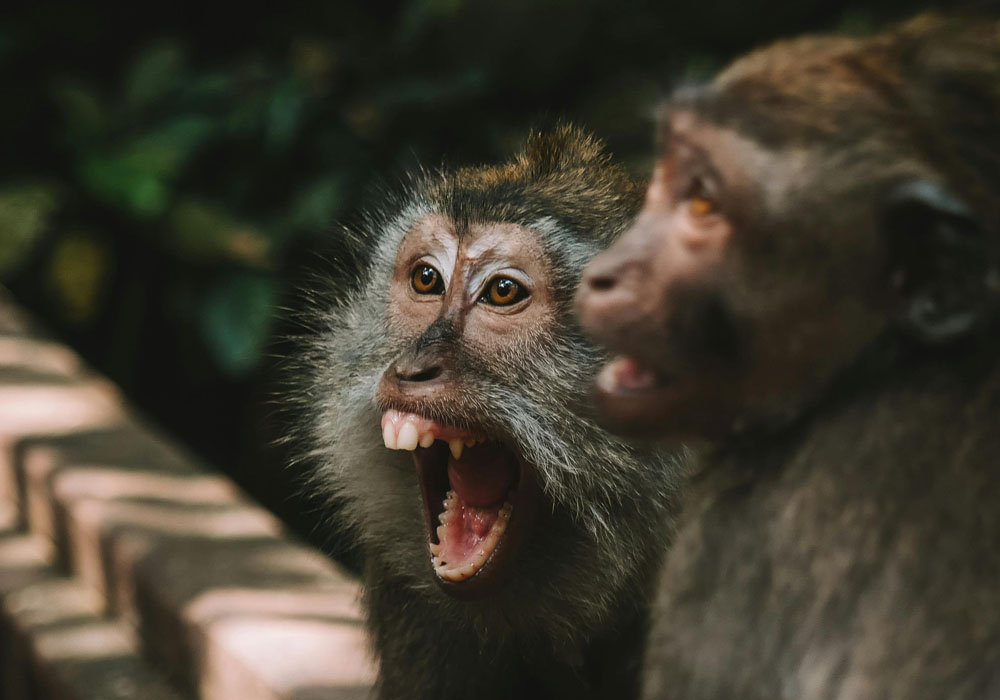
The monkeys are considered the guardians of the three temples hidden within the forest. In local wisdom, the forest is a “neutral zone” where humans, animals, and spirits must respect each other’s boundaries.
- If a monkey steals your sunglasses, a local might smile and say it’s a reminder to let go of your “attachments.”
- The forest is a living example of Palemahan—respecting the environment not because it is useful, but because it is alive.
The Subak of Tegalalang: The Green Stairway to Heaven
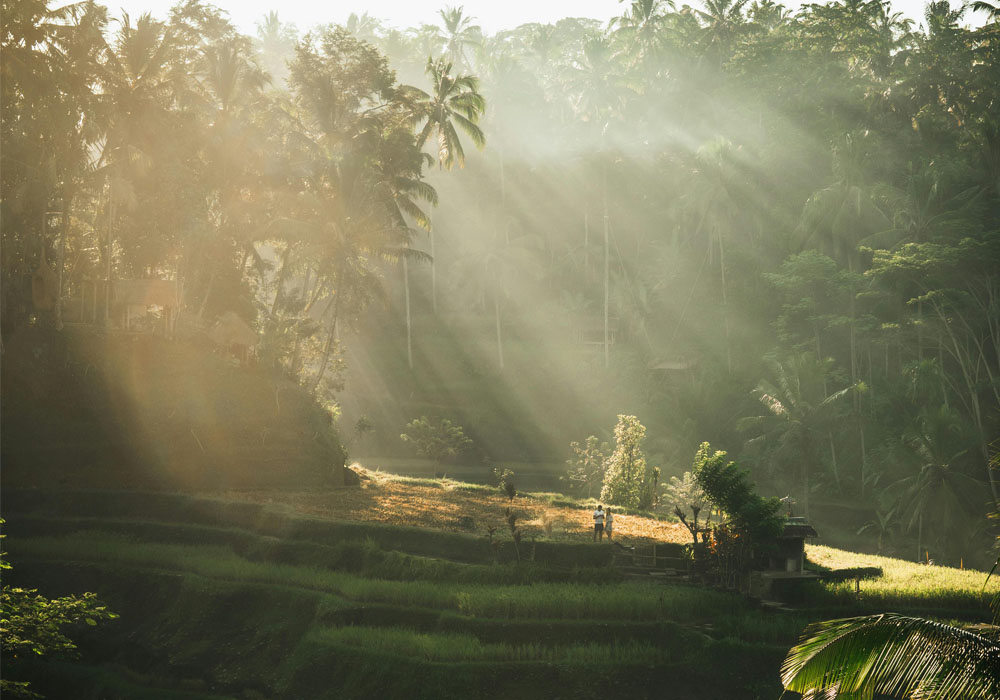
Just north of Ubud lie the Tegalalang rice terraces. To a traveler, they are a backdrop. To a local, they are a masterpiece of social engineering and spirituality.
Every level of the terrace is managed by the Subak, a cooperative water-sharing system that has existed for over a thousand years.
- The Wisdom of the Water: The water flows from the mountain lakes through temples before it reaches the fields. The farmers believe the water is “holy” and must be shared fairly. You cannot take more than your neighbor, or the harmony (Keseimbangan) of the whole valley is broken.
- When you look at the green hills of Ubud, you aren’t just looking at nature; you are looking at a thousand years of people agreeing to work together.
The Modern Challenge: Finding “Hening”
Ubud is much busier now than it was when the artists Walter Spies and Rudolf Bonnet first arrived in the 1930s. The challenge for modern Ubud is maintaining Hening—a state of clear, quiet consciousness.
Locals find their Hening in the early mornings, before the day-trippers arrive. You’ll see them placing Canang Sari on their doorsteps, the incense smoke rising in the cool air, blending with the mist. This daily ritual is Ubud’s true “medicine.” It is a moment of stillness that says: “No matter how many cars are on the road, my connection to the Divine remains.”
| Feature | The Tourist View | The Local Wisdom |
| The Name | A trendy town name | Ubad: A place to heal the soul |
| The Rivers | A scenic trek (Campuhan) | A sacred merger of cleansing energy |
| The Art | A souvenir to buy | A spiritual offering (Yadnya) |
| The Rice Fields | A photo opportunity | A communal vow of harmony (Subak) |
- Where to Sleep? We’ve filtered the best accommodation in Ubud. [Check Local Rates on Agoda or Booking.com].
A Parting Thought for the Traveler
To visit Ubud the local way is to slow down until you can hear the “medicine” of the land. It’s about choosing a quiet corner in a temple over a crowded “swing” photo. It’s about understanding that you are a guest in a living laboratory of harmony.
If you leave Ubud with a painting, that’s fine. But if you leave Ubud with a bit more Hening in your heart, then you have truly received the “medicine” the ancestors intended for you.