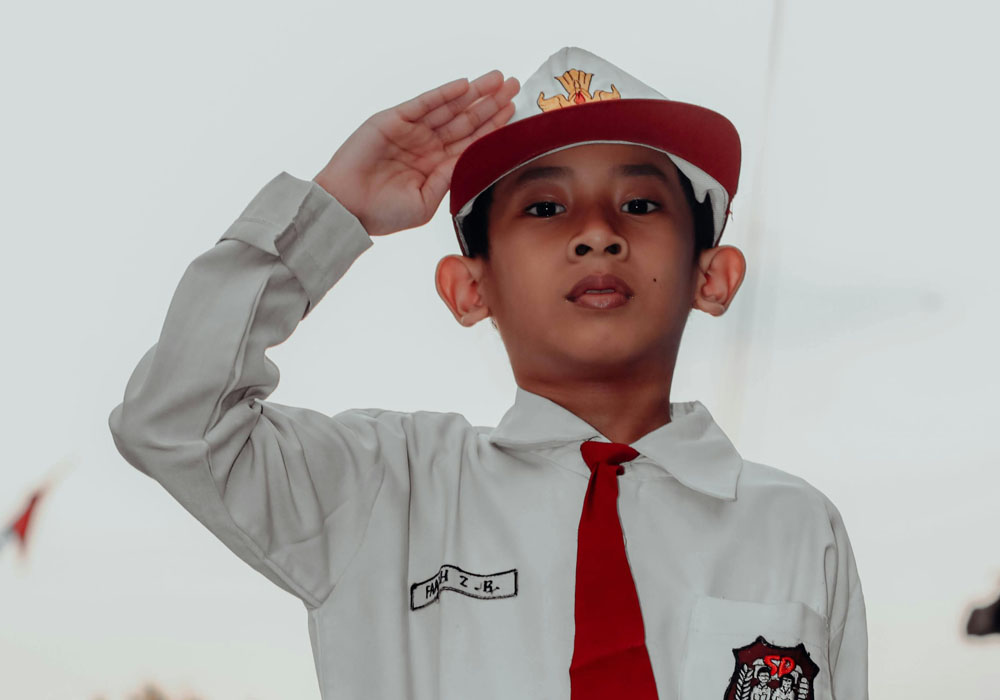
Pancasila is the foundational philosophical theory of Indonesia. It consists of two Old Javanese words originally derived from Sanskrit: “panca” meaning five and “sila” meaning principles.
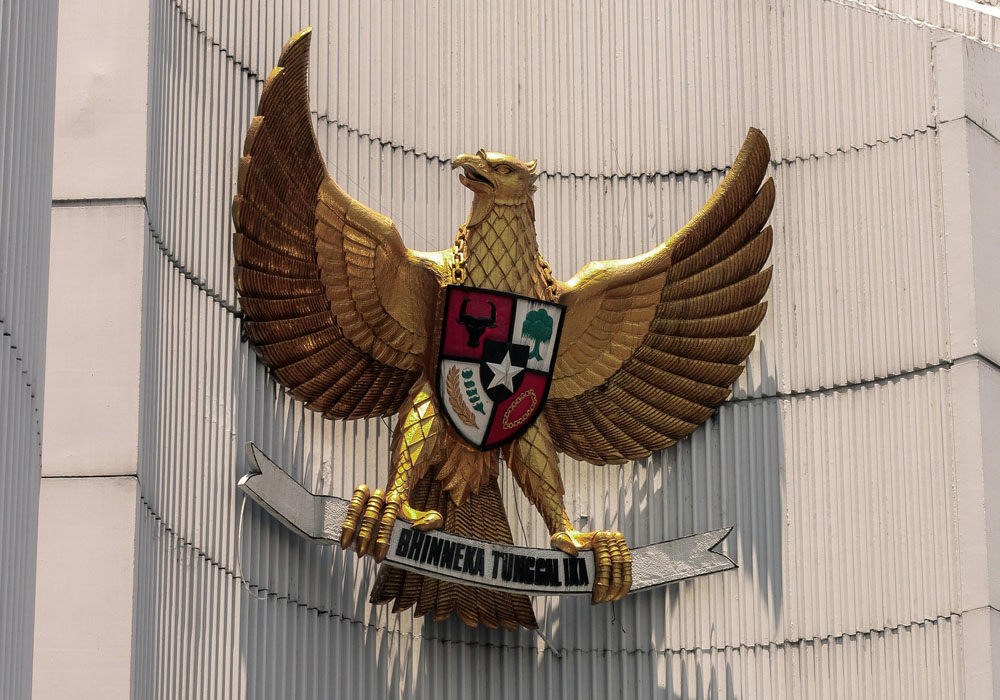
To understand Indonesia, one must understand Pancasila, as it is the invisible thread that weaves together more than 17,000 islands, hundreds of ethnicities, and a multitude of languages into a single tapestry called “Bhinneka Tunggal Ika” (Unity in Diversity).
Writing about Pancasila is not just about reciting political history; it is about describing the heartbeat of the Indonesian people and the ancient wisdom that dictates how we live, breathe, and interact with one another.
The Spiritual Foundation: Ketuhanan Yang Maha Esa
The first principle, “Belief in the Almighty God,” is the bedrock of the Indonesian identity. Unlike many secular nations, Indonesia places spirituality at the forefront of public life. This isn’t about one specific religion, but rather the recognition that we are spiritual beings.
In the daily life of an Indonesian, this is seen in the call to prayer echoing across the valleys, the smell of incense in the morning air of Bali, and the quiet devotion found in remote villages.
It teaches us that there is something greater than ourselves, fostering a sense of humility and moral responsibility. This principle ensures that regardless of the faith one follows, there is a shared space for holiness and respect, preventing the rise of total materialism and ensuring that ethics remain a part of our social fabric.
The Human Connection: Kemanusiaan Yang Adil dan Beradab
The second principle, “Just and Civilized Humanity,” acts as a bridge between the spiritual and the social. It dictates how we treat our neighbors. In the context of local wisdom, this is often expressed through the concept of Tepa Selira—the ability to feel what others feel, or deep empathy.
Living in Indonesia means acknowledging the dignity of every person. When you walk through a traditional market and see a seller and buyer engaging in a long, friendly conversation before a transaction, you are witnessing “civilized humanity.”
It is a rejection of cold, clinical interactions in favor of warm, human-to-human connection. It reminds us that justice is not just a legal term, but a way of treating the elderly, the poor, and the stranger with equal honor.
The Strength of the Bundle: Persatuan Indonesia
The third principle, “The Unity of Indonesia,” is perhaps the most miraculous achievement of the nation. How does a country spanning three time zones and thousands of cultures stay together? Through the conscious effort of prioritizing the “we” over the “me.”
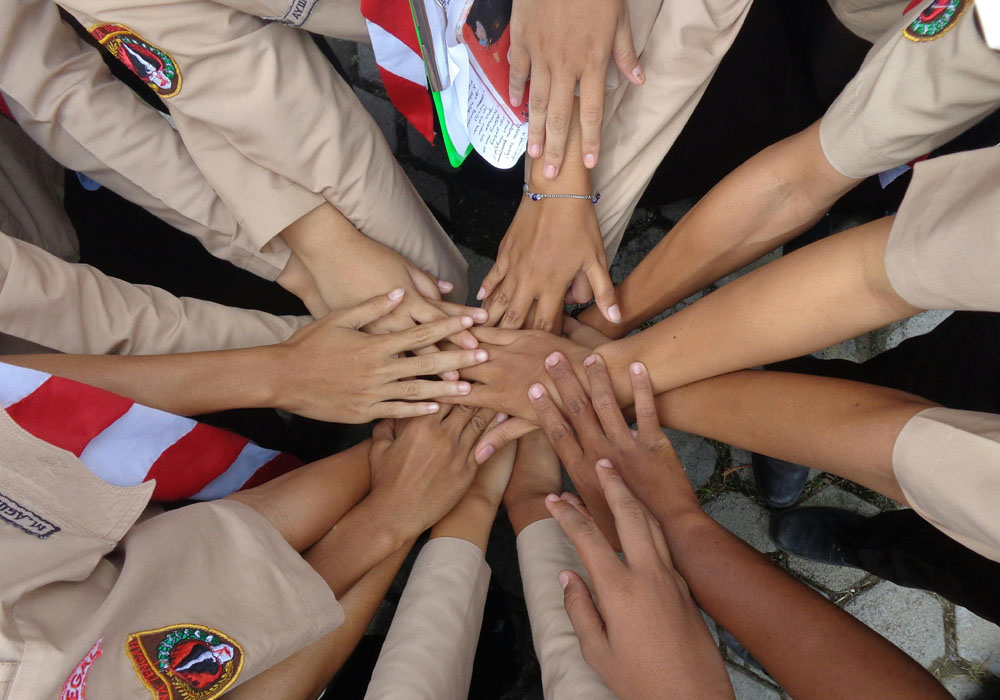
In local cultures, we have the philosophy of the Sapu Lidi (broom made of coconut leaf ribs). A single rib is easily broken, but when bound together, they become a powerful tool that is impossible to snap. This is the essence of Indonesian unity.
It is the wisdom that tells us our differences—whether they be the Wayang traditions of Java or the seafaring heritage of the Bugis—are not weaknesses, but different colors that make the painting beautiful.
The Wisdom of the Circle: Kerakyatan Yang Dipimpin oleh Hikmat Kebijaksanaan dalam Permusyawaratan/Perwakilan
The fourth principle deals with “Democracy guided by the inner wisdom in the unanimity arising out of deliberations amongst representatives.” This is a mouthful, but in the villages, it is simply called Musyawarah and Mufakat.
Western democracy often relies on a “50% plus one” majority rule, which can leave the minority feeling defeated. However, Indonesian local wisdom prefers the circle. We sit together, we talk, we listen, and we don’t stop until a consensus is reached that everyone can live with.
It is the “inner wisdom” that seeks harmony over victory. You see this in village meetings (Rembug Desa) where the goal is never to outvote a neighbor, but to find a path that maintains the peace of the community.
The Shared Harvest: Keadilan Sosial Bagi Seluruh Rakyat Indonesia
The final principle is “Social Justice for All the People of Indonesia.” This is the ultimate goal—the promise that the wealth and beauty of the land should be felt by the fisherman in Maluku as much as the businessman in Jakarta.
In the living reality of Indonesia, this is manifested in Gotong Royong (mutual cooperation). If a neighbor’s house is damaged, the community doesn’t wait for a government grant; they show up with hammers and wood. They share the burden so that justice is felt immediately through the hands of the community. It is the belief that no one should feast while their neighbor starves.
Why Pancasila Matters for the Future
Pancasila is important because it provides a “middle way.” In a world that is becoming increasingly polarized between extreme individualism and rigid collectivism, Pancasila offers a balance. It protects the right to believe while demanding respect for others. It encourages modern progress while anchoring it in ancient civility.
Pancasila is the ultimate narrative. Every story of a local hero, every description of a traditional festival, and every account of a journey through the archipelago is, at its core, a story of these five principles in action.
Living the Principles
To live in Indonesia is to participate in a grand experiment of the heart. When we travel to a new province and are greeted with a smile and a meal by someone whose language we barely understand, that is Pancasila. When we see a church and a mosque standing side-by-side, sharing a parking lot during holidays, that is Pancasila.
It is the soul of the nation. Without it, Indonesia would be just a collection of islands. With it, it is a home—a place where “local wisdom” is not a thing of the past, but a living, breathing guide for a modern, harmonious future.