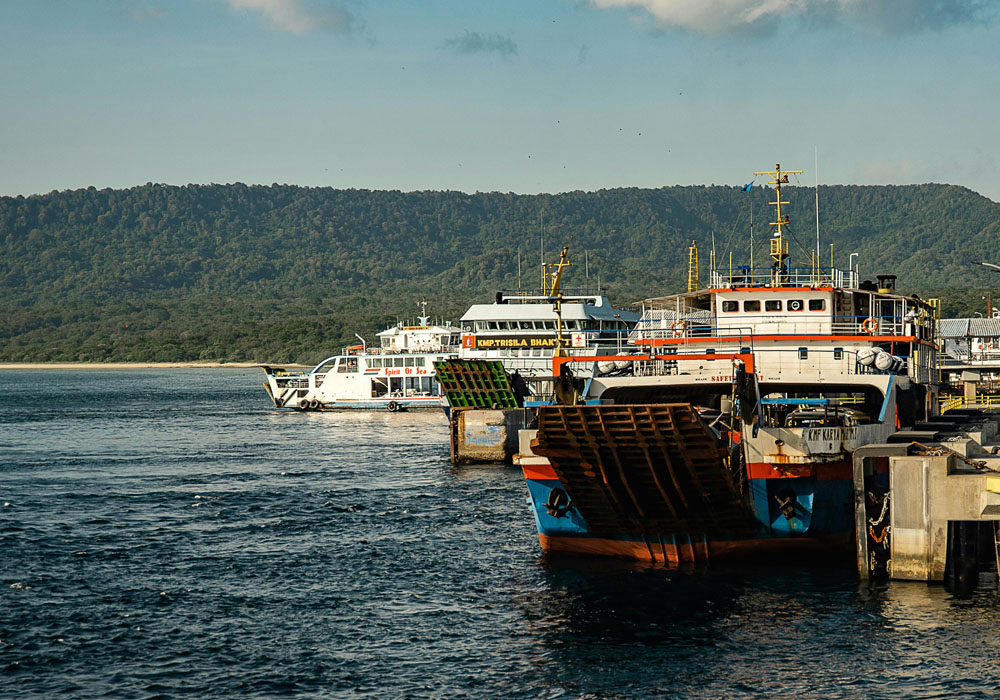
Padang Bai is more than just a waiting room for a boat. It is a place of deep history, where the currents of trade and tradition have flowed for a thousand years.
I am visiting the crescent-shaped bay in the early morning, just as the first local fishing boats—their hulls painted in vibrant, traditional patterns—return to the shore.
While many travelers know Padang Bai only as a bustling gateway to the Gili Islands and Lombok, there is a secret stillness here if you arrive before the ferry engines begin their daily roar.
The air is salty and thick with the scent of the sea, and the water in the bay is so clear that you can see the shadows of small fish darting among the colorful outriggers.
Walking along the main street, Jalan Silayukti, I feel the transition from a busy port to a sleepy coastal village. To my right, the blue expanse of the Indian Ocean; to my left, the silhouettes of ancient temples perched on the limestone cliffs.
The Port of History and Spices
Padang Bai’s name reveals its colonial past—Baai is the Dutch word for “bay.” Long before the Dutch arrived, however, this was a vital link in the Indonesian Spice Route. For centuries, ships from India, China, and the Mediterranean docked here, trading textiles and porcelain for the precious spices of the East.
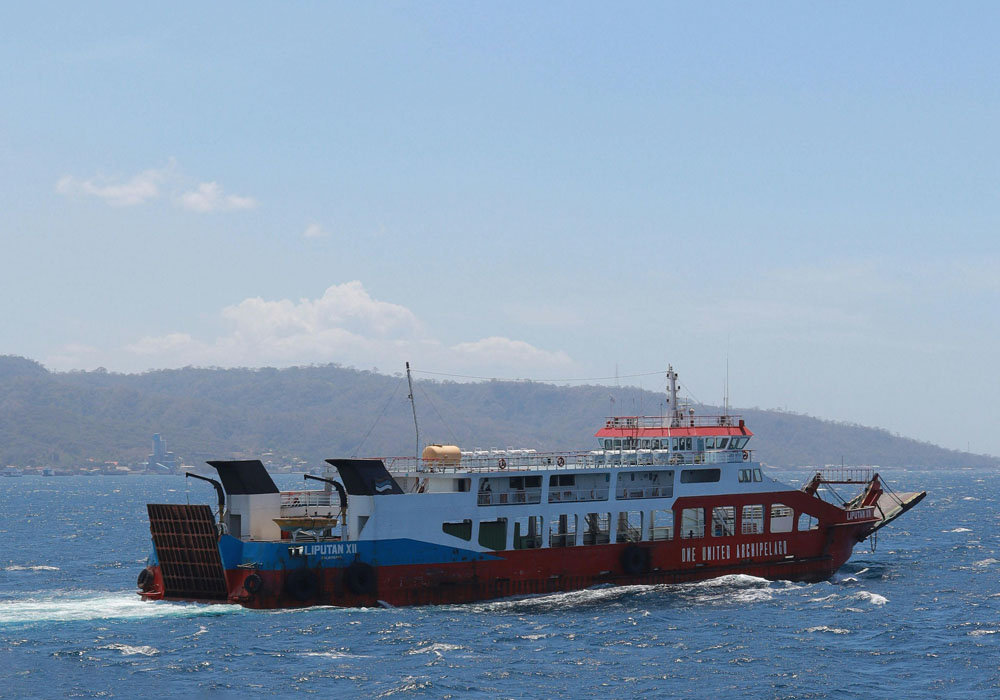
The spiritual history of Padang Bai is even more profound. It is home to Pura Silayukti, one of the most significant temples in Bali.
Built in the 11th century, it was the residence of Mpu Kuturan, a legendary priest who is credited with introducing the Meru (tiered roof) architecture and the concept of the Kahyangan Tiga (the three village temples) that define Balinese life today.
Standing on the cliff at Silayukti, looking out over the water where the priest is said to have achieved Moksa (spiritual liberation), you realize that this port has always been a place where the physical and spiritual worlds meet.
The “Sea’s Harvest”
The wisdom of Padang Bai is centered on Respect for the Deep. The local community, many of whom are still traditional fishermen, live by a quiet code of sustainability. They understand that the bay is a sanctuary.
There is a philosophy here of “Harmonious Trade.” Despite the influx of thousands of tourists every day, the locals have maintained their “Banjar” system, ensuring that the benefits of the port are shared among the village families.
They teach us that even in a place of constant movement and transition, your roots must remain firmly planted in your community. In Padang Bai, the arrival of a ferry is just a moment; the arrival of the morning catch is a tradition.
The Hidden Blue Lagoon
Just a short, ten-minute walk over the hill from the main harbor lies Blue Lagoon Beach. It is a small, 60-meter stretch of brilliant white sand framed by steep, green cliffs. The water here is a stunning shade of aquamarine, hiding a vibrant coral reef just meters from the shore.
Snorkeling at Blue Lagoon is like entering a silent, submerged cathedral. You can see Napoleon wrasse, reef sharks, and tiny, neon-colored nudibranchs.
It is a reminder that beauty often hides just around the corner from the chaos, waiting for those who are willing to look a little deeper.
Planning Your Padang Bai Stay
If you are planning to use Padang Bai as your base for exploring East Bali or as a stopover for the islands, here is the 2026 traveler’s guide:
- How to Get There: Padang Bai is about 1.5 hours from Ubud or Kuta. It is best to take a private car or a shuttle bus service.
- Entrance Fees: Access to the main beach is Free. For Blue Lagoon and Bias Tugel Beach, there is a small community fee of approximately IDR 10,000 to 15,000 for maintenance and parking.
- Best Time to Visit: 6:00 AM to 9:00 AM. This allows you to catch the sunrise (which is spectacular as Padang Bai faces east) and enjoy the hidden beaches before the midday heat and the peak ferry crowds arrive.
- Must-Do Activity: Visit Pura Silayukti on the eastern headland for a peaceful walk and a panoramic view of the coastline.
Stay & Explore the Coast
To find the best seaside inns or to book your fast boat tickets and snorkeling adventures, use the links below to secure your spot:
- Secure Your Stay in Padang Bai on Booking.com – From diver-friendly resorts to cozy beachfront inns.
- Book Fast Boats and East Bali Tours on GetYourGuide – The easiest way to organize your island-hopping or diving trips.
Padang Bai is more than just a waiting room for a boat. It is a place of deep history, where the currents of trade and tradition have flowed for a thousand years.