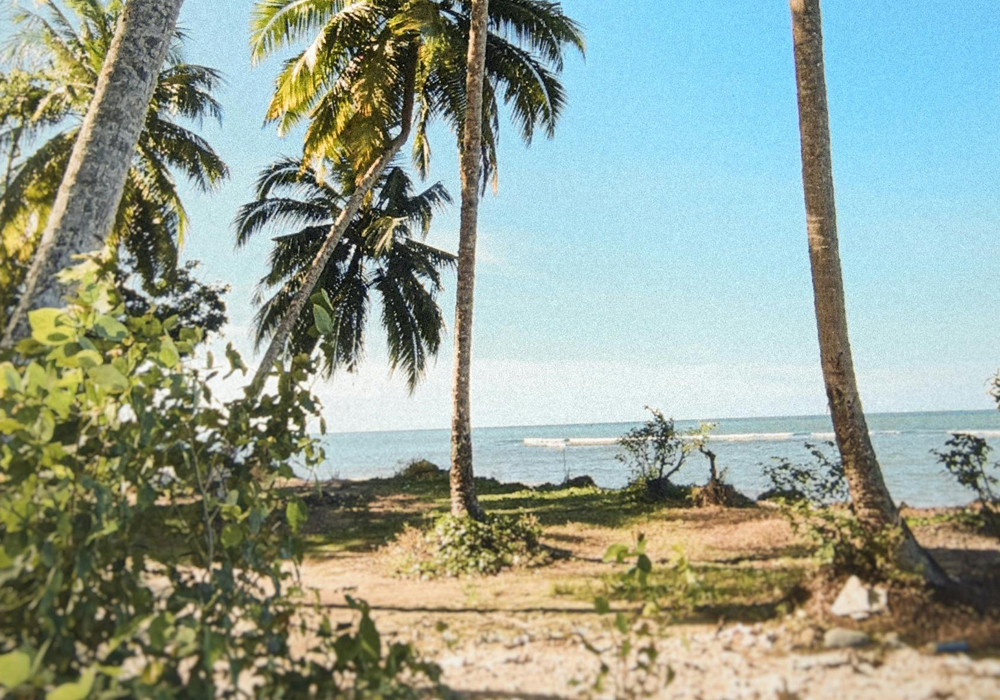
If Jogjakarta is the heart and Lake Toba is the crown, Nias Sumatra (Pulau Nias) is the untamed spirit of Indonesia. Located off the rugged west coast of Sumatra, Nias is a place where ancient megalithic cultures meet legendary Indian Ocean swells. It is remote, raw, and offers a glimpse into a warrior past that feels like a scene from an epic movie.
Here is why Nias is an essential destination for the truly adventurous foreigner:
1. The Legendary Leap: Hombo Batu (Stone Jumping)
Nias is world-famous for the Fahombo, or stone-jumping ritual. In traditional villages like Bawomataluo, you can watch young men in warrior attire sprint and launch themselves over a 2-meter-high stone tower.
- The Origin: Historically, this was how warriors trained to leap over enemy village walls during tribal wars.
- The Ritual: Today, it is a rite of passage; a young man is considered an adult and a protector once he clears the stone.
2. World-Class “Seven-Second” Barrels
For the surfing community, Nias is a pilgrimage site. Sorake Bay and Lagundri Beach are home to what many call the “perfect right-hander.”
- The wave is famous because it breaks with surgical precision over a reef, creating a long, hollow tube that can last for seven seconds or more.
- Unlike the crowded lineups in Bali, Nias offers a more focused, “core” surfing experience surrounded by deep jungle.
3. Living Megalithic Villages in Nias Sumatra
Nias is one of the few places on Earth where a megalithic culture is still visible in daily life. In the southern hills, villages are built with massive stone structures, altars, and monuments dedicated to ancestors.
- Traditional Houses (Omo Sebua): These “Chief’s Houses” are architectural marvels—massive wooden structures built on giant pillars without a single nail, designed to withstand the region’s frequent earthquakes.
4. The Fierce War Dance (Tari Fatele)
Witnessing a Nias War Dance is a spine-tingling experience. Men dressed in traditional armor made of leather and metal, carrying spears (Toho) and shields (Baluse), perform rhythmic, aggressive movements that simulate ancient combat. The energy, the chanting, and the clashing of weapons provide a powerful look into the island’s defensive history.
5. A Museum Like No Other
The Nias Heritage Museum (Museum Pusaka Nias) in Gunungsitoli is widely considered one of the best cultural museums in Indonesia. It houses over 5,000 artifacts, from intricate gold jewelry worn by noblewomen to ancient wooden ancestor statues (Adu Zatua). It is the perfect place to understand the complex social hierarchy and spiritual beliefs of the Ono Niha (Nias people).
6. Uncharted Beaches and Turquoise Water
Beyond the famous surf breaks, Nias is dotted with “secret” beaches like Pantai Gawu Siboikho or the nearby Hinako Islands. These spots offer pristine white sand and crystal-clear turquoise water where you can snorkel or dive in complete solitude. It feels like discovering a tropical paradise before the rest of the world arrives.
7. The Thrill of the “Off the Beaten Path”
Foreigners visit Nias because it is unfiltered. There are no luxury shopping malls or high-end beach clubs here. Instead, you get authenticity: eating fresh grilled fish with local families, navigating jungle roads on a motorbike, and experiencing a culture that has resisted outside influence for centuries.
Quick Tips for Your Visit:
- How to Get There: Fly from Medan (KNO) to Binaka Airport (GNS) in Gunungsitoli. From there, it’s a 3-hour drive to the southern cultural hubs.
- Best Time to Go: The peak surf season is May to September, but the culture and villages are fascinating year-round.
- Cultural Etiquette: When visiting traditional villages, it is polite to bring a small donation or hire a local guide to explain the history.