Mount Batur is a place of extremes. it is cold yet hot, destructive yet life-giving. It reminds us that sometimes, the most beautiful views are reserved for those willing to walk through the dark.
I am visiting the crater rim in the early morning, long before the first hint of light dares to touch the sky. Around me, a line of bobbing flashlights looks like a trail of fireflies climbing the volcanic slope.
The air is thin and freezing—a biting, dry cold that seeps through my jacket—but the ground beneath my feet is unexpectedly warm. In some places, steam rises from hidden vents in the rock, a quiet reminder that I am standing on the skin of a living, breathing giant.
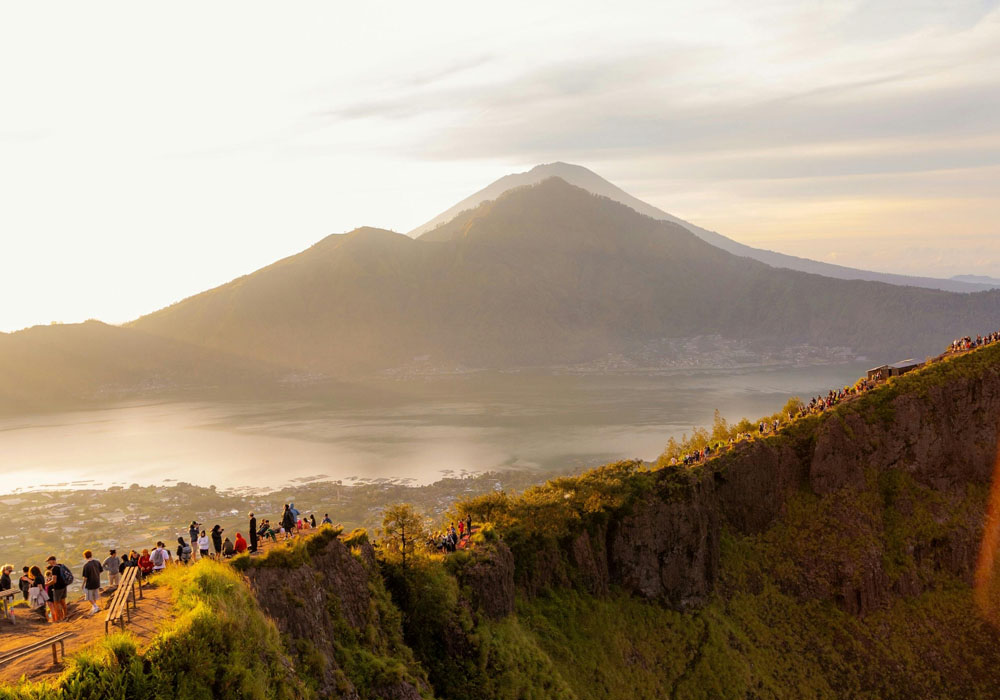
This is Mount Batur (Gunung Batur), an active volcano that sits within one of the largest and most spectacular calderas in the world. As the sky transitions from a deep indigo to a bruised violet, the world below begins to take shape: the vast, crescent-shaped Lake Batur and the silhouette of its massive brother, Mount Abang, standing guard across the water.
The Architect of Destructive Beauty
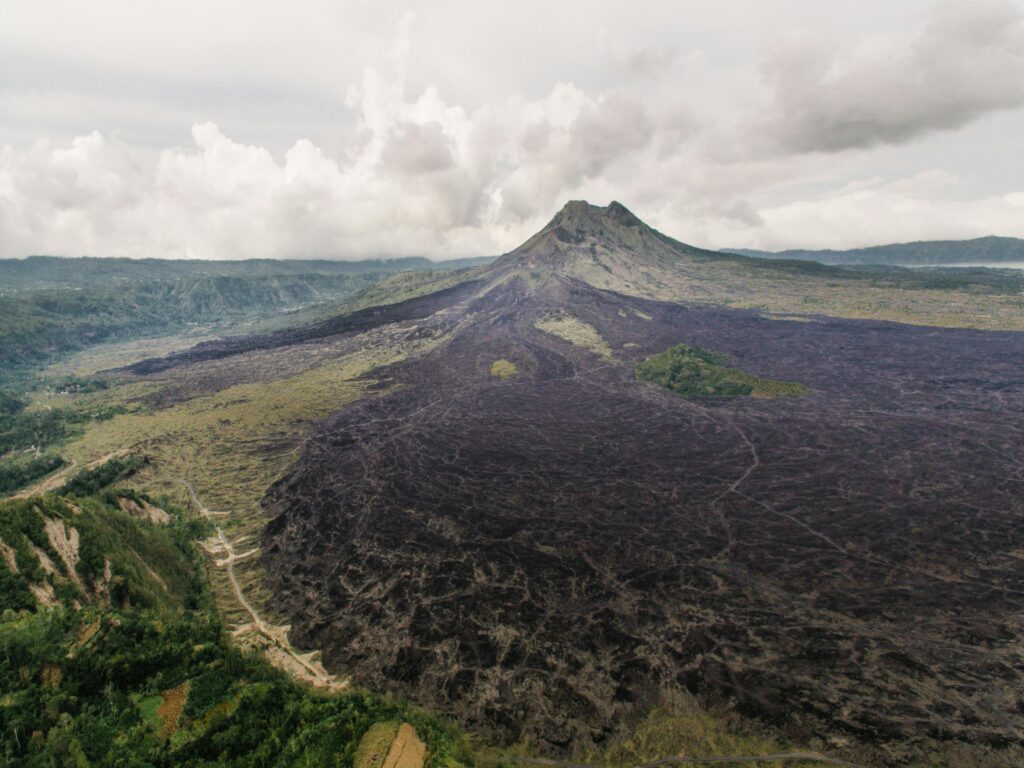
Mount Batur is a landscape defined by transformation. While it has erupted over 20 times in the last two centuries, the most significant event in recent memory occurred in 1926. Before that year, the village of Batur and its sacred temple sat down in the fertile floor of the caldera.
When the lava began to flow, it swallowed the village, but miraculously stopped at the gates of the temple. The locals took this as a divine sign and moved the entire community—and the temple—to the high rim of the caldera where it stands today as Pura Ulun Danu Batur. The black, jagged lava fields you see today stretching toward the lake are the scars of these eruptions—a permanent museum of the earth’s raw power.
Local Wisdom: The Balance of Fire and Water
In the Balinese spiritual landscape, volcanoes are the “Navel of the World.” Mount Batur represents the masculine force of fire, while the lake below represents the feminine force of water. Together, they form the Lingga-Yoni—the union that creates life.
The local wisdom of the Kintamani people is centered on Awe and Humility. Living in the shadow of a volcano that could erupt at any time teaches a person that they are not the masters of the earth, but its guests.
There is a philosophy here of “Karma Phala”—the law of cause and effect. The people believe that as long as they maintain the rituals and respect the “Spirit of the Mountain,” the volcano will provide fertile soil and life-giving rain rather than destruction. To climb Batur is not just a hike; it is a way to pay respects to the source of Bali’s fertility.
The Reward of the Summit
As the sun finally breaks over the horizon, the entire caldera is flooded with a golden, liquid light. The steam from the volcanic vents turns orange, and you can see the steam rising from the breakfast eggs and bananas being cooked by guides in the natural “volcanic ovens.”
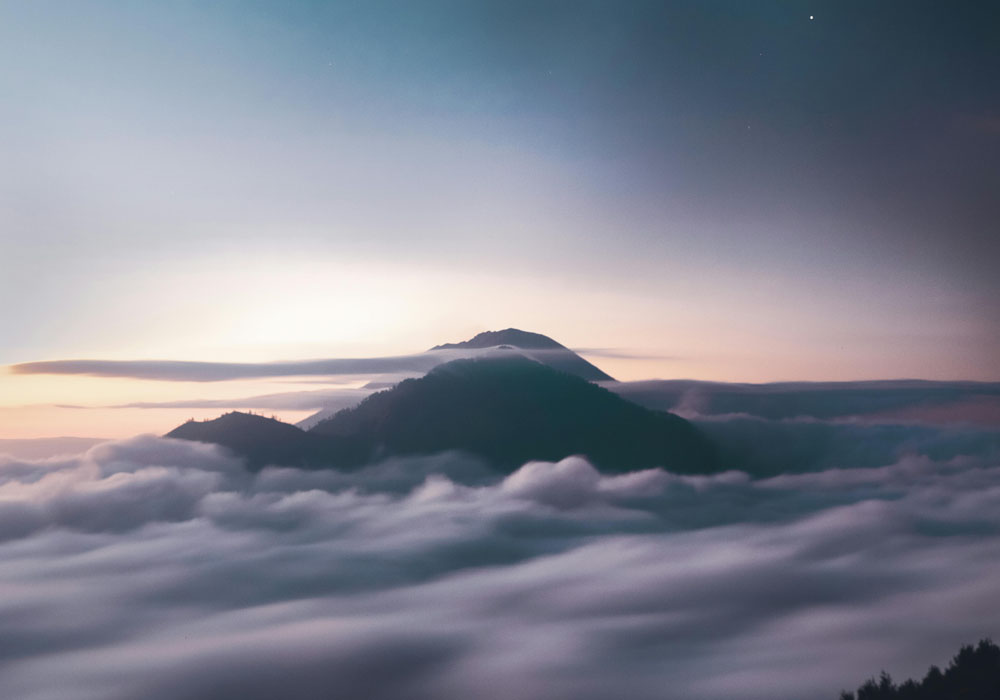
From the summit, you can see the three peaks of Bali—Batur, Abang, and the mighty Agung—lined up like the spine of the island. On a clear day, you can even see the silhouette of Mount Rinjani on the neighboring island of Lombok. It is a moment of total perspective; the struggles of the climb vanish, replaced by the realization of how vast and ancient this land truly is.
Planning Your Volcanic Trek
For you who are ready to lace up their hiking boots, here is the 2026 guide to the Batur sunrise:
- How to Get There: Kintamani is about a 1 to 1.5-hour drive from Ubud. Most hikers arrange a “Sunrise Trek” package which includes a 2:00 AM pickup, a local guide, and breakfast at the top.
- Entrance and Guide Fees: The Kintamani area has an entrance fee of IDR 50,000. The trek itself, including a mandatory local guide from the Association of Batur Trekking Guides, typically costs between IDR 400,000 to 600,000 per person depending on group size.
- Best Time to Visit: May to September (the dry season). During the rainy season, the path can be slippery and the summit is often shrouded in clouds, hiding the sunrise.
- What to Wear: Layers are essential. It can be 5°C to 10°C at the start of the hike, but as you move and the sun rises, you will quickly warm up. Proper hiking shoes or sneakers with good grip are a must for the loose volcanic gravel (scree).
Book Your Adventure
To find the best deals on guided treks, transport, and nearby stays in Kintamani, check out the latest options through our partner:
Find the Best Bali Tours and Activities on GetYourGuide (Click The Link Here)
Mount Batur is a place of extremes. it is cold yet hot, destructive yet life-giving. It reminds us that sometimes, the most beautiful views are reserved for those willing to walk through the dark.