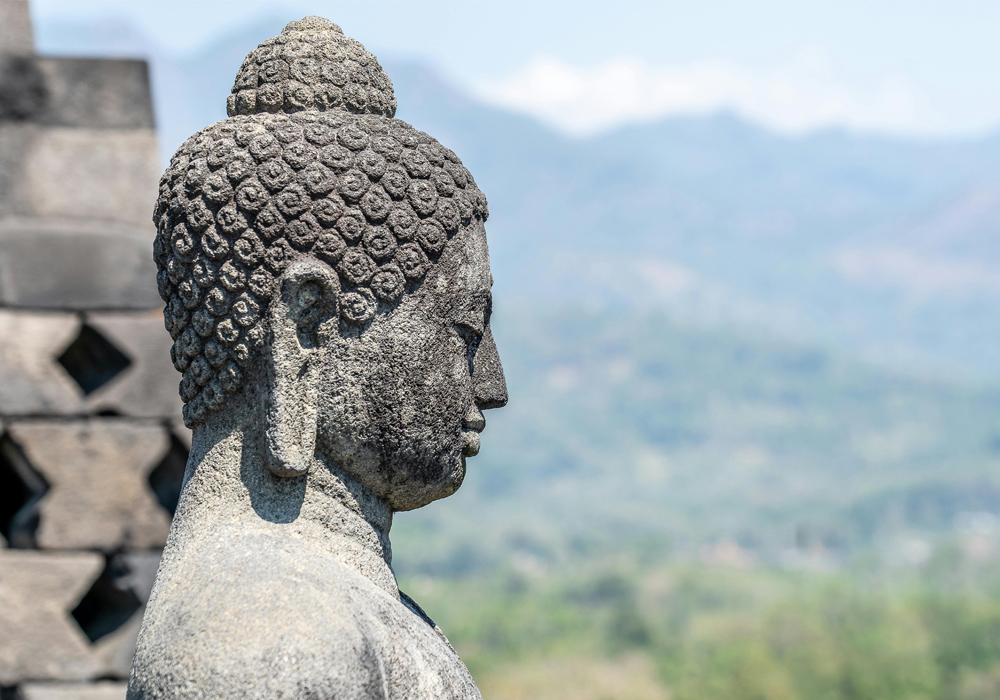
JogJakarta (often called Jogja or Yogyakarta) is the beating heart of Indonesian heritage. While Jakarta is the financial engine and Bali is the island getaway, Jogjakarta is where the “Soul of Java” resides. It is the only province in Indonesia still ruled by a pre-colonial Monarchy, making it a living museum of royal traditions and ancient history.
Here is why this enchanting city belongs at the very top of your travel bucket list:
1. The Epic Majesty of World-Class UNESCO Heritage
Jogjakarta is the gateway to two of the most spectacular archaeological sites in Southeast Asia.
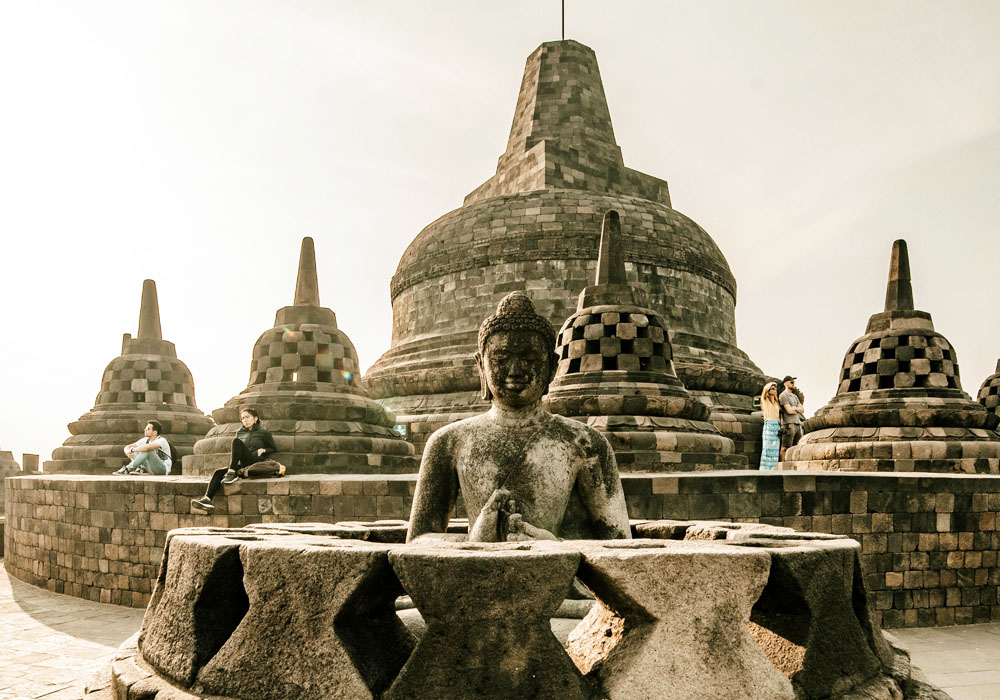
- Borobudur: The world’s largest Buddhist temple. Standing atop this 9th-century marvel at sunrise, surrounded by mist and volcanic peaks, is a spiritual experience that rivals Angkor Wat.
- Prambanan: A breathtaking 10th-century Hindu temple complex dedicated to the Trimurti (Shiva, Vishnu, and Brahma). Its towering, jagged spires are a testament to ancient architectural genius.
2. A Living Royal Legacy at the Kraton
Unlike other cities, Jogja is a “Special Region” led by a Sultan. You can visit the Kraton (Sultan’s Palace), a sprawling complex where traditional Javanese culture is preserved. You’ll see royal guards in traditional attire and can witness daily performances of Gamelan music or Wayang Kulit (shadow puppetry) that have remained unchanged for centuries.
3. The “Indiana Jones” Adrenaline Rush
For the adventurous, Jogja’s natural landscape is a playground:
- Jomblang Cave: Rappel 60 meters down into a vertical cave to witness the “Light of Heaven”—a spectacular beam of sunlight that pierces through the forest ceiling into the dark cavern.
- Mount Merapi: One of the world’s most active volcanoes. You can take a rugged Jeep Lava Tour across the ash-covered slopes to see the raw power of nature.
4. An Artisan’s Paradise: Batik and Silver
Foreigners love Jogja because it isn’t just a place to buy souvenirs; it’s a place to create them.
- In the village of Kotagede, you can watch master silversmiths at work or join a workshop to forge your own ring.
- In the city’s many workshops, you can learn the meditative art of Batik—using hot wax and dye to create intricate patterns on fabric.
5. The Vibrant Chaos of Malioboro Street
Jalan Malioboro is the city’s pulse. By day, it’s a shopping haven for affordable textiles and handicrafts. By night, it transforms into a culinary theater. Street musicians play bamboo instruments while locals and tourists alike sit on floor mats (lesehan) to enjoy Gudeg, a legendary local jackfruit stew that is sweet, savory, and addictive.
6. Hidden Water Palaces and Underground Secrets
The Taman Sari Water Castle was once the Sultan’s private vacation home. It features beautiful turquoise bathing pools and a secret “underground mosque” (Sumur Gumuling) with a series of intersecting staircases that look like something out of an M.C. Escher painting—perfect for photography enthusiasts.
7. Genuine Javanese Hospitality
The most common reason foreigners return to Jogja is the people. Known for their “slow living” philosophy, the locals (Jogjanese) are exceptionally warm, polite, and welcoming. Whether you are lost in a small alley (gang) or eating at a roadside stall (angkringan), you will likely be met with a genuine smile and a helping hand.
Quick Tips for Your Visit:
- Best Time to Go: The dry season (April to October) offers the best weather for sunrises and hiking.
- Getting Around: Use a Becak (traditional rickshaw) for short distances or download Grab/Gojek for easy car and bike rides.
- Must-Eat: Try Gudeg Yu Djum, the most famous spot for the city’s signature dish.