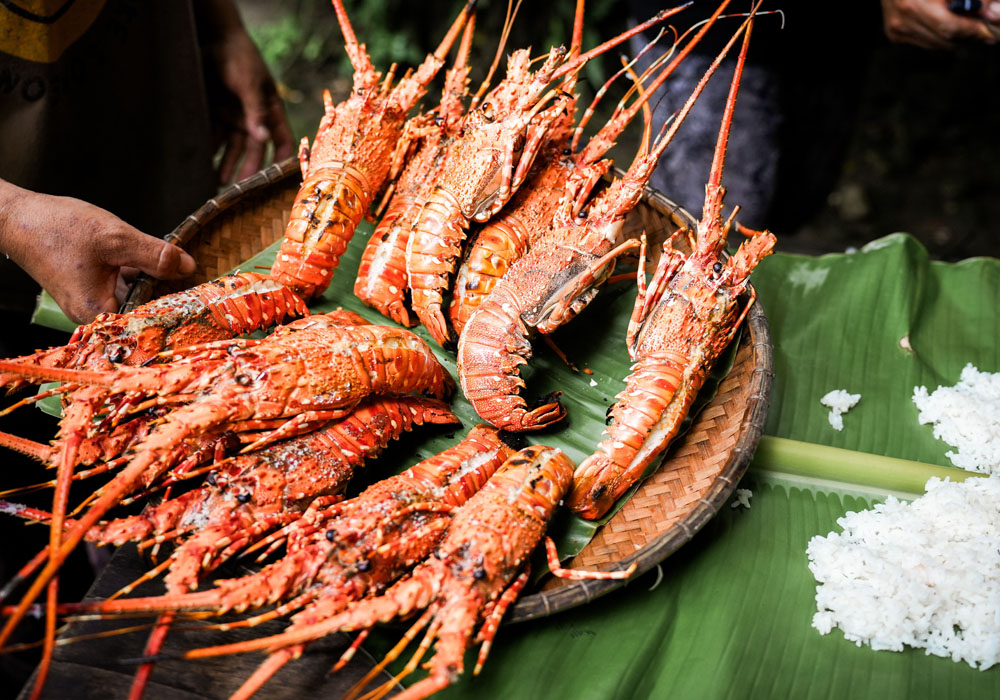
Sitting at a wooden table sunk into the sand at Jimbaran Bay, watching the sun dip below the Indian Ocean while a coconut-husk fire crackles nearby, is one of those quintessential Bali moments.
The aroma of red snapper, sweet soy sauce, and burning shell husks fills the air. Yet, as the waiter sets down a tray of grilled clams and fresh sambal matah, a familiar question crosses every traveler’s mind: Is a seafood feast right on the beach actually safe, or am I setting myself up for three days in a hotel bathroom?
Having eaten my way along the Jimbaran beach strip—from the high-turnover warungs near the Kedonganan fish market down to the candlelit tourist spots along Muaya Beach—over the past three years, I’ve learned that fresh seafood in the tropics isn’t a gamble if you know what to look for.
I have had my fair share of roadside meals across Bali, and the few times my stomach rebelled were always when I ignored basic food safety signals. Here is a realistic breakdown of how Jimbaran’s seafood stalls operate and the exact rules I follow to enjoy the catch of the day without catching Bali Belly.
How Jimbaran’s Seafood Supply Chain Works
To understand whether Jimbaran seafood is safe, you have to look at where the fish comes from. Unlike inland warungs that might rely on central distributors or morning delivery trucks, Jimbaran seafood is deeply connected to the adjacent Kedonganan Fish Market (Pasar Ikan Kedonganan).
Every morning around 5:00 AM, local fishermen unload catches directly from their brightly painted jukung outrigger boats. Restaurant buyers and local stall owners walk the docks to purchase snapper, mahi-mahi, squid, and mud crabs straight off the ice. Because the supply chain from ocean to grill is exceptionally short—often just a few hundred meters—the seafood served at dinner was usually swimming earlier that same day.
High turnover is Jimbaran’s greatest asset. Stalls that serve hundreds of customers every evening cycle through their inventory so fast that raw fish rarely sits long enough to spoil, provided it remains properly iced between the market and the grill.
The Heat Factor: How Coconut-Husk Grilling Protects You
One reason Jimbaran street stalls and open-air warungs have a surprisingly good safety record compared to general street food is their cooking method. Seafood here isn’t boiled or gently pan-fried; it is blasted over intense heat generated by burning coconut husks.
Coconut-husk fires burn hotter and cleaner than standard charcoal, reaching temperatures that thoroughly cook fish flesh right down to the bone in minutes. Pathogens like Vibrio bacteria or standard heat-sensitive toxins are quickly destroyed by this direct, high-heat searing.
The primary risk in Jimbaran rarely comes from the cooked fish itself; it comes from cross-contamination after cooking—specifically through raw dipping sauces, underwashed fresh vegetables, or room-temperature side dishes that have been sitting out.
The 4 Uncompromising Rules I Follow at Jimbaran Stalls
Staying healthy while enjoying street food or beachside dining doesn’t require avoiding local spots. It simply requires paying attention to a few visual cues before ordering:
- Follow the Crowd to the Kedonganan End
Choose warungs that are packed with both locals and domestic tourists, particularly near the northern end of the bay near Kedonganan. High customer volume ensures that fish inventory turns over completely every few hours and doesn’t sit in stagnant coolers.
- Inspect the Fish Before It Hits the Grill
At most Jimbaran stalls, you select your raw fish from ice displays before paying by weight (usually quoted in thousands of IDR, around 100,000 to 150,000 IDR per kilogram for snapper). Look for bright, clear eyes (not cloudy or sunken), firm flesh that springs back when pressed, and bright red gills. Avoid fish with a strong “fishy” or ammonia-like smell—fresh ocean catch should smell like salt water.
- Be Selective with Sambals and Shellfish
Sambal matah (raw lemongrass and shallow-fried shallot salsa) is delicious, but because it isn’t cooked, it relies heavily on clean prep equipment and well-washed ingredients. If you have a sensitive stomach, stick to cooked sambals like sambal terasi. For shellfish like clams or mussels, ensure every shell has opened fully during grilling; discard any that remain tightly closed.
In Bali, commercially produced ice cubes with hollow centers (factory-made tube ice) are strictly regulated, manufactured with purified water, and delivered daily via Gojek or supply trucks. Avoid crushed or block ice that looks like it was manually chipped off a larger block, as those blocks are often handled with bare hands during transport. Stick to factory tube ice or bottled water.
Enjoying the Vibe without the Risk
Eating in Jimbaran is one of the culinary highlights of southern Bali. By picking busy warungs, inspecting your seafood before it’s grilled, and sticking to cooked sauces and factory ice, you can enjoy grilled lobster and snapper on the sand with complete peace of mind.