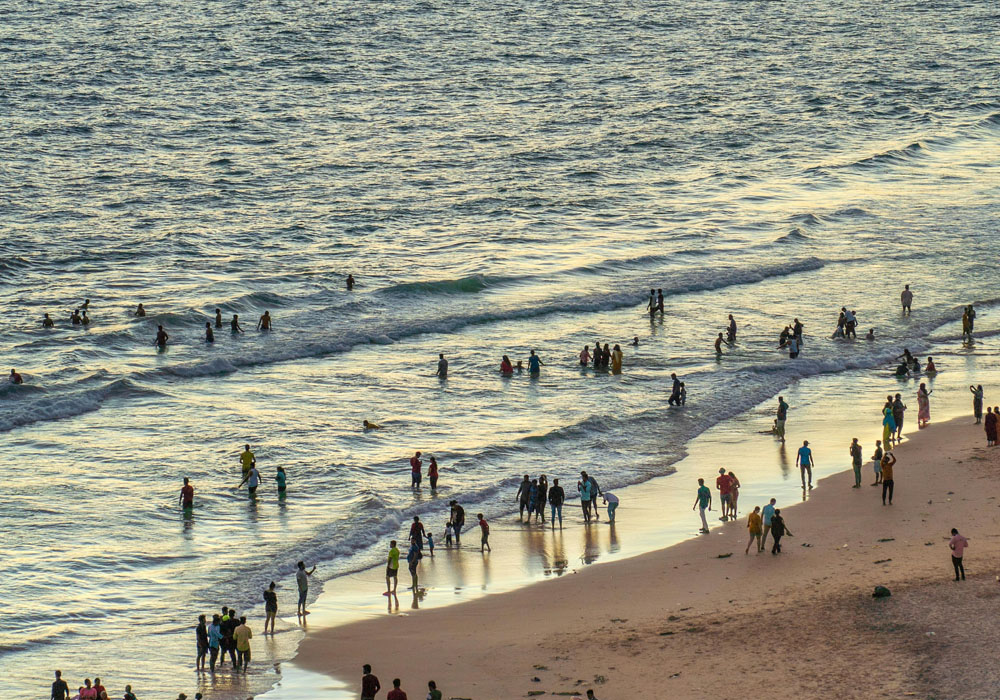
Jimbaran Beach is the “living room” of Bali. It’s where the island comes to eat, talk, and watch the day turn into night
I am visiting the crescent-shaped bay in the late afternoon, as the intense midday heat begins to surrender to a gentle, salt-laden breeze.
Jimbaran is different from the high-octane energy of Kuta or the spiritual silence of Ubud. Here, the rhythm of life is dictated by the tide and the daily return of the jukung—the colorful, traditional outrigger boats that dot the horizon.
As the sun begins its descent, the wide stretch of golden sand transforms. Hundreds of tables are carried out onto the beach, and the air begins to fill with a thick, sweet-smelling smoke.
It is the unmistakable scent of coconut husks burning on open grills, preparing for the nightly ritual that has made Jimbaran world-famous.
From Fishing Village to Culinary Landmark
Before Jimbaran became a destination for “feet-in-the-sand” dining, it was a quiet cluster of fishing hamlets. The history of this bay is deeply tied to the Kedonganan fish market, which remains the beating heart of the area today.
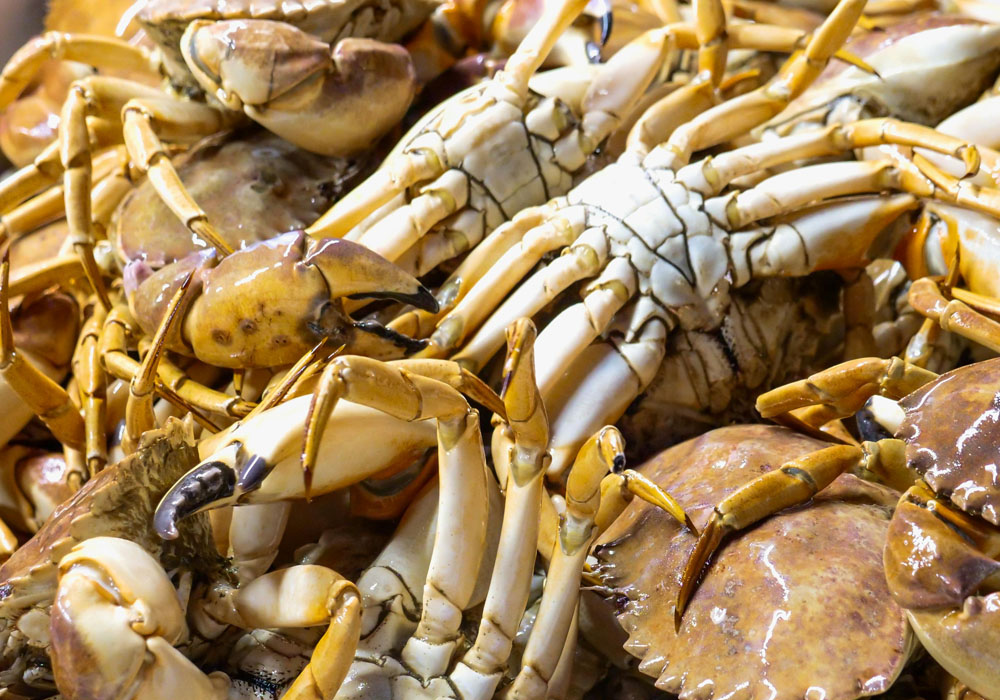
For generations, the local families have relied on the bounty of the Indian Ocean, and that heritage is still alive every morning when the night-shift fishermen bring in their catch of red snapper, calamari, and king prawns.
In the 1980s, the local families began setting up small grills to cook their fresh catch for the few travelers wandering through. This organic growth turned Jimbaran into a symbol of Balinese entrepreneurship.
While luxury resorts now frame the cliffs at either end of the bay, the center belongs to the local cooperatives, ensuring that the community remains the soul of the beach.
The Generosity of the Sea
The wisdom of Jimbaran is found in the Balinese concept of Mebakti, or devotion through the appreciation of nature’s gifts. The locals view the ocean not just as a resource, but as a living provider.
There is a philosophy here of “Suka-Duka”—sharing both the joy and the sorrow. You see it in the way the seafood cafes operate as a community, rather than fierce competitors.
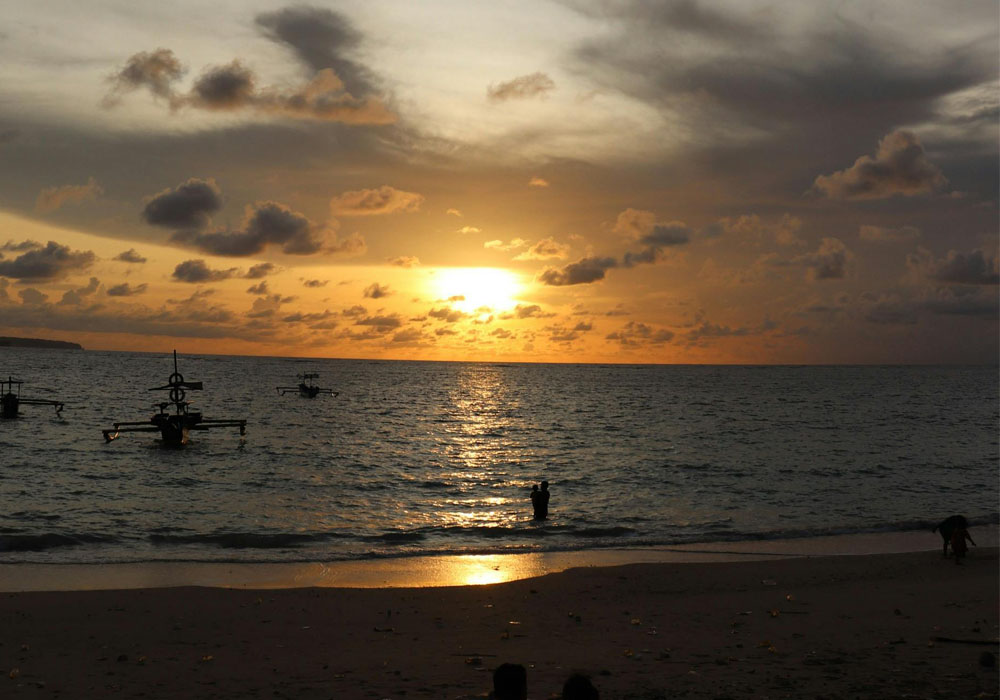
They understand that if the bay is clean and the guests are happy, everyone prospers. For the traveler, the lesson of Jimbaran is one of Simplicity. There is no need for fine china or white tablecloths when you have the sand between your toes, the sound of the waves, and a plate of grilled fish seasoned with nothing more than local lime and sambal matah.
The Golden Hour Feast
Sitting at a wooden table just feet from the water, watching the sky turn a deep, bruised purple, you realize that the seafood dinner is more than a meal—it’s a performance.
As the stars come out, the beach is lit by a thousand flickering candles. Wandering musicians move from table to table, their acoustic guitars mingling with the roar of the surf.
It is a place where time slows down. You aren’t just eating; you are participating in a tradition that celebrates the meeting point of the land and the sea.
Planning Your Sunset Dinner at Jimbaran Beach
If you are adding a Jimbaran evening to your itinerary, here is the essential guide for 2026:
- How to Get There: Jimbaran is located just south of the airport (about a 10–15 minute drive). It is a perfect spot for your first or last dinner in Bali.
- Entrance Fees: Access to the beach is Free. If you arrive by scooter, parking is usually around IDR 2,000 to 5,000.
- Best Time to Visit: 5:00 PM. Arrive early enough to walk through the Kedonganan fish market at the north end of the beach before picking your table for the 6:00 PM sunset.
- The Ordering Process: Most cafes allow you to go to their live tanks and hand-pick your seafood. It is usually priced by weight. Always ask for the price per kilogram upfront to avoid surprises!
Book Your Bali Transport and Dining Experiences
To find the best transport deals to Jimbaran or to book a pre-arranged sunset seafood tour, explore the options through our partner:
Jimbaran is the “living room” of Bali. It’s where the island comes to eat, talk, and watch the day turn into night.