“Selamat datang” at our 8 Day Bali Itinerary. Most people spend 8 days in Bali and see only three things: traffic, beach clubs, and their hotel pool. At Gindoo, we think that’s a waste of a flight. This itinerary is built for the traveler who wants to see the Bali that existed before the internet—and the one that still survives today.
Phase 1: The Cultural Anchor (Days 1-3)
Day 1: Arrival & The Sanur Slow-Down
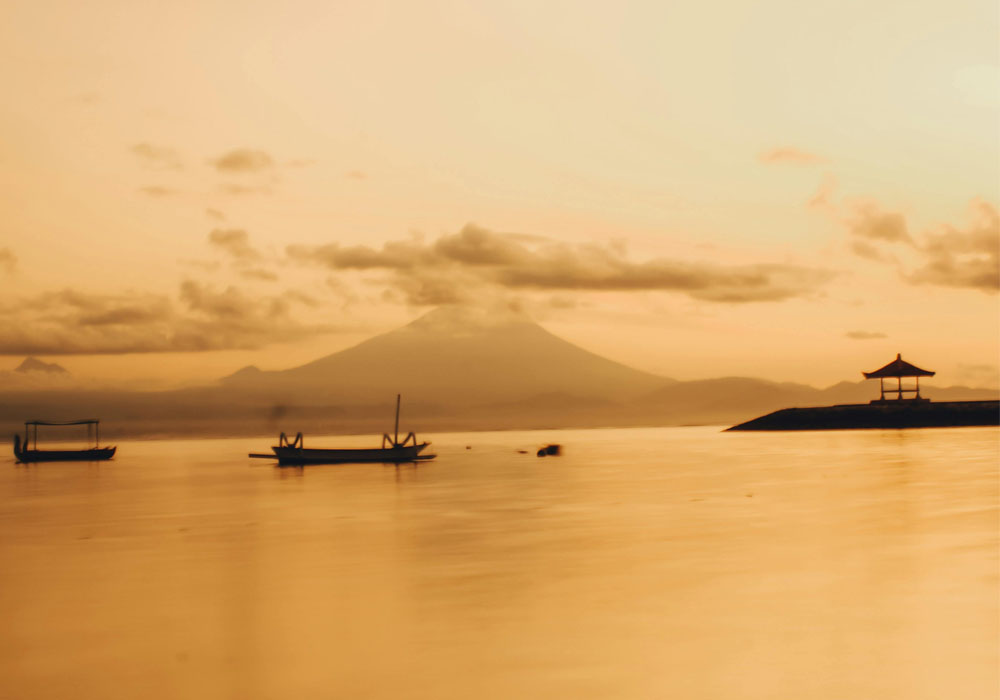
Skip the chaos of Kuta. Head to Sanur. It’s the oldest resort area in Bali and still feels like a village. Walk the 5km beachfront path at sunset and eat your first Nasi Campur at the Sindhu Night Market.
Situated on Bali’s southeastern coast, Sanur Beach is a tranquil haven celebrated for its calm, shallow waters and picturesque sunrises. Unlike the high-energy surf hubs of the west, Sanur’s reef-protected shoreline creates a gentle environment that is ideal for swimming, snorkeling, and stand-up paddleboarding.
One of its most defining features is the legendary beachfront paved path that stretches for over 5 kilometers, offering a scenic route for a relaxed morning stroll or a seaside cycling session. The area perfectly balances its identity as Bali’s oldest upscale resort destination with a charming, laid-back village atmosphere that feels significantly quieter than Kuta or Seminyak.
- Where to Sleep? We’ve filtered the best beach stays in Sanur. [Check Local Rates on Agoda]
The wider Sanur area is a favorite for families and long-term travelers, offering a sophisticated mix of traditional night markets, leafy streets, and a diverse culinary scene along Jalan Danau Tamblingan.
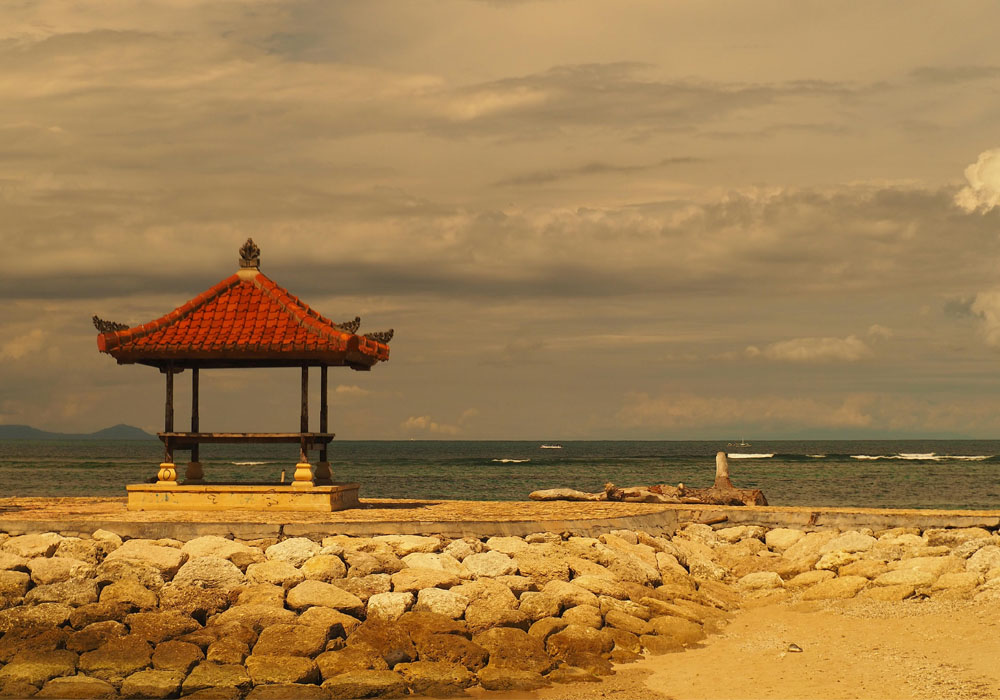
It serves as a major logistical hub, with the modern Sanur Port providing the primary gateway for speedboats traveling to Nusa Penida, Nusa Lembongan, and the Gili Islands.
Sanur is located just a short 20-to-30-minute drive from the airport or the bustling streets of southern Bali, Sanur remains a premier choice for those seeking a peaceful, authentic coastal experience.
- Need a Private Airport Transfer? Book a vetted [Private Driver via Welcome Pickups] to avoid the “taxi gauntlet” at DPS.
Day 2: The Artist’s Ubud
Often considered the cultural and spiritual heart of Bali, Ubud is a vibrant highland town where traditional arts, lush landscapes, and modern wellness tourism converge.
Located about 25 kilometers inland, its 600-meter elevation offers a refreshing, cooler climate compared to the coastal heat, with temperatures typically ranging between 20°C and 27°C.
The area is a tapestry of emerald-green rice terraces, steep river gorges, and dense jungle, providing a peaceful atmosphere that has long attracted artists, spiritual seekers, and travelers looking for an authentic Balinese experience.
Traditional Heritage and Arts
Ubud serves as the island’s premier center for Balinese craftsmanship and performance arts. Visitors can witness this heritage firsthand through nightly dance performances and intricate architectural sites located right in the center of town.
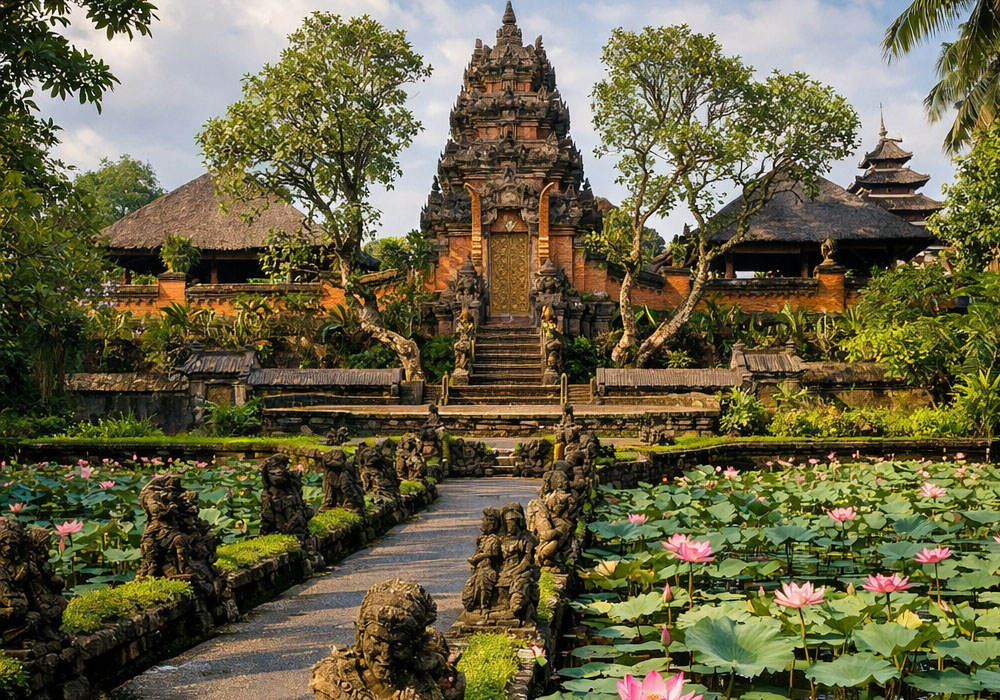
Ubud Palace (Puri Saren Agung): This historical landmark features stunning Balinese architecture and serves as a nightly venue for traditional Legong and Barong dance performances.
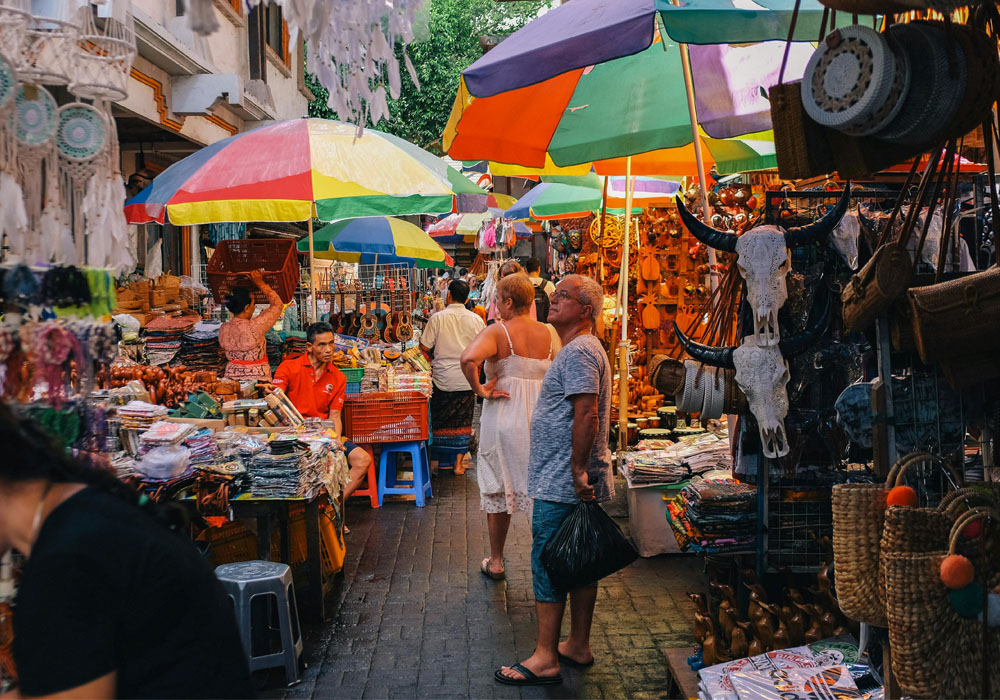
Ubud Art Market: Located directly across from the palace, this bustling market is the best place to find hand-woven bags, silk scarves, and locally made statues.
Museum Puri Lukisan: As Bali’s oldest art museum, it houses a curated collection of traditional and modern Balinese paintings and woodcarvings that tell the story of the island’s artistic evolution.
- Need a Private Driver to Explore Ubud? Book a vetted [Private Driver via GetYourGuide].
Natural Wonders and Wildlife
The geography surrounding Ubud is defined by dramatic ravines and agricultural ingenuity, offering some of the most iconic views in Southeast Asia.
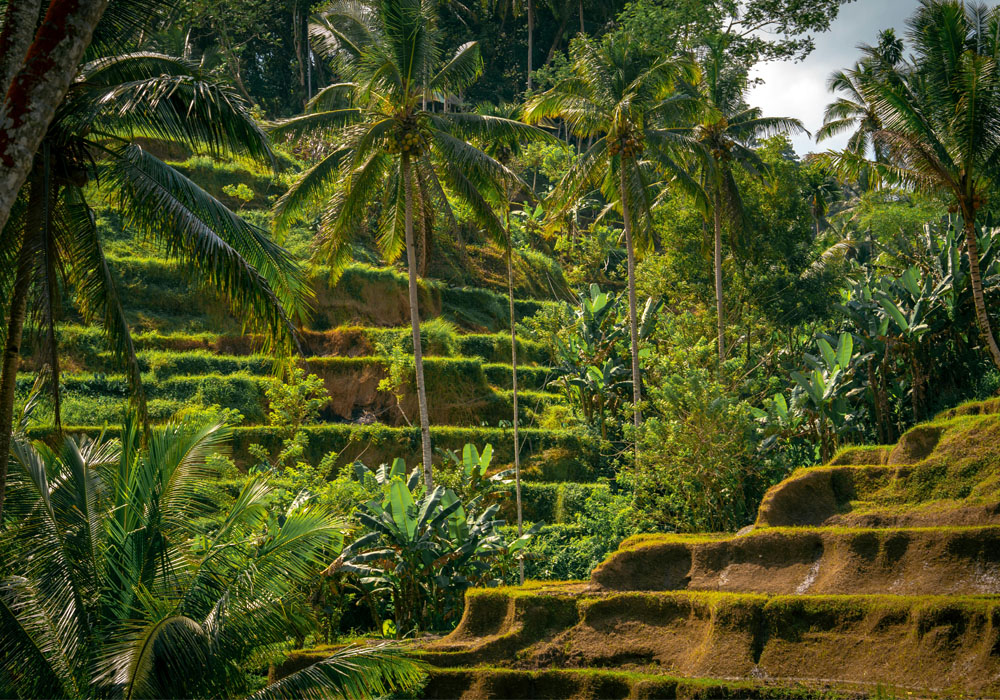
Tegalalang Rice Terrace: A UNESCO World Heritage site known for its cascading green fields and the traditional “subak” irrigation system, offering panoramic photo opportunities and jungle swings.
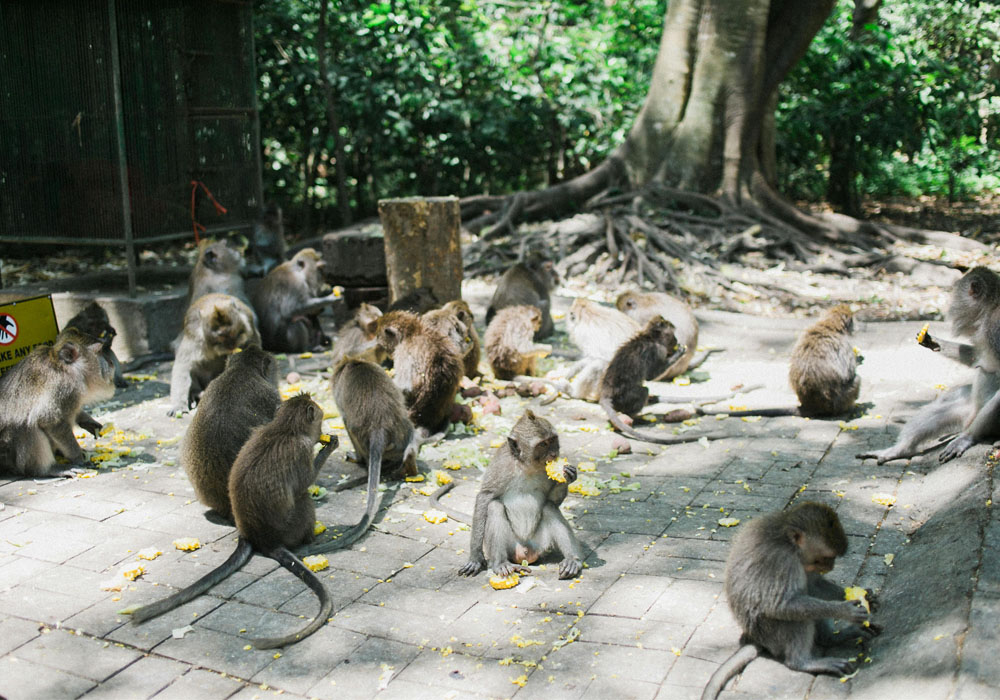
Sacred Monkey Forest Sanctuary: A lush nature reserve home to over 1,200 long-tailed macaques and three ancient temples, where moss-covered statues create a mystical, “lost world” atmosphere.
Campuhan Ridge Walk: A scenic 2-kilometer paved path that follows a mountain ridge between two river valleys, providing a peaceful escape for morning or sunset strolls.
- Easy way to explore Ubud is by Book a [Tour Via GetYourGuide]
Wellness and Spiritual Life
As a global hub for holistic health, Ubud is famous for its concentration of yoga studios, organic cafes, and sacred water temples used for purification.
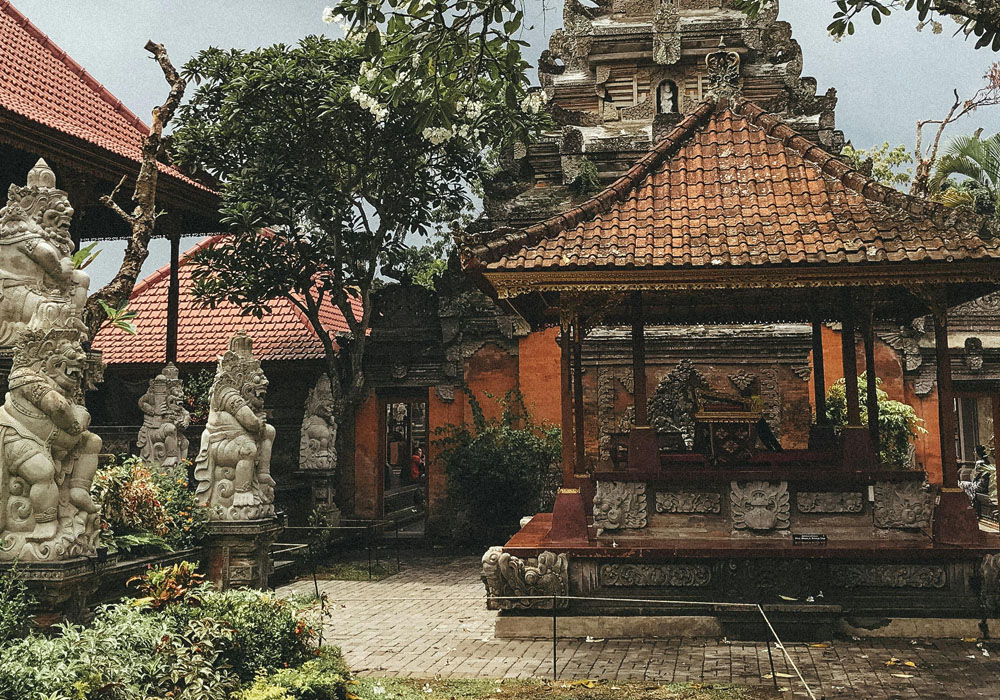
Tirta Empul Temple: A significant holy spring temple where locals and visitors participate in “melukat,” a traditional water purification ritual in ancient stone pools.
The Yoga Barn: One of the most famous wellness centers in Asia, offering a wide range of classes from Vinyasa yoga to sound healing and meditation retreats.
Pyramids of Chi: A unique sound healing center located just outside the town center, where large scale-model pyramids are used for gong baths and spiritual rejuvenation.
- Where to Sleep? We’ve filtered the best jungle stays in Ubud. [Check Local Rates on Agoda].
Logistics and Atmosphere
While the town center can be busy with scooters and tourists, the true magic of Ubud is found in the surrounding villages like Penestanan and Nyuh Kuning, which maintain a slower, more authentic pace of life.
Transport: Most travelers hire a private driver for day trips to distant waterfalls and temples, though scooters are popular for those comfortable navigating the narrow, winding roads.
Dining: The food scene is exceptionally diverse, ranging from affordable local warungs serving “Babi Guling” (suckling pig) to high-end plant-based restaurants overlooking the jungle.
Connectivity: Due to its popularity with digital nomads, Ubud boasts some of the strongest Wi-Fi on the island, with numerous co-working spaces and “laptop-friendly” cafes.
Gindoo Recommendation in Ubud:
- Visit Sayuri and Bali Bohemia for Community-Driven Live Music. Sayuri has live music nearly every-night and Bohemian has Open Mic every Thursday Night.
- Visit Saraswati Temple early in the morning. at 07:00 AM is the best time.
- Instead of the Monkey Forest, visit the Pura Gunung Lebah temple at the base of the ridge. It’s quiet, mossy, and holds the energy of ancient Bali.
- Dont miss Ubud Kecak Dance. Get your ticket via GetYourGuide
Day 3: Sacred Springs & Silver
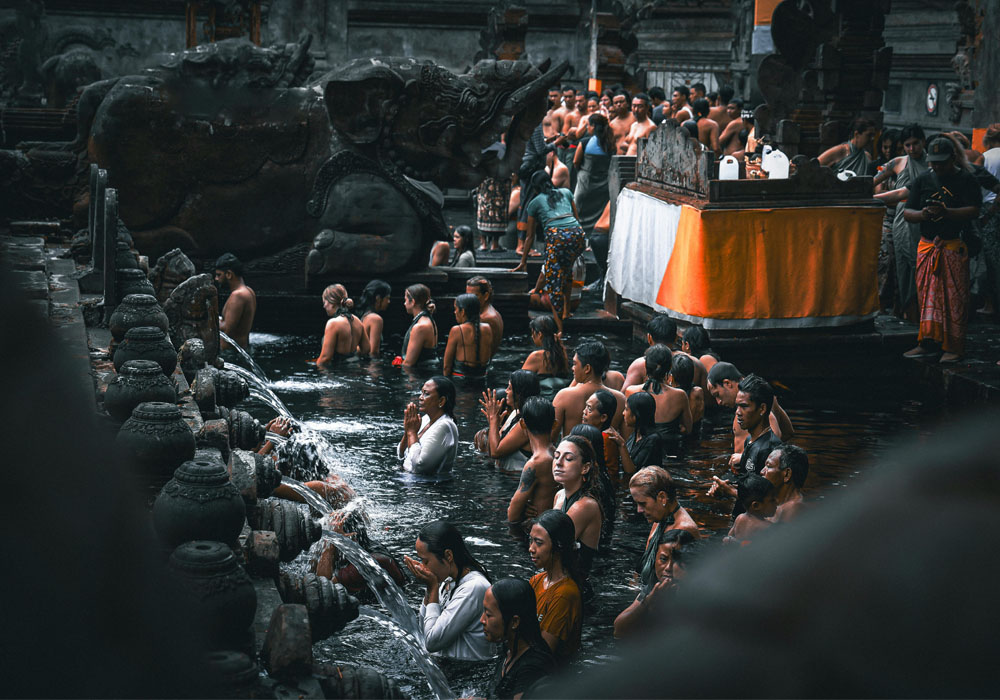
Visit Tirta Empul for a Melukat (cleansing) ceremony.
Situated near Tampaksiring, Tirta Empul Temple is one of Bali’s most significant Hindu water temples, famous for its sacred holy spring that has bubbled since 962 AD.
The temple’s heart is a series of ancient stone purification pools where both locals and visitors can participate in melukat, a traditional cleansing ritual meant to purify the body and soul.
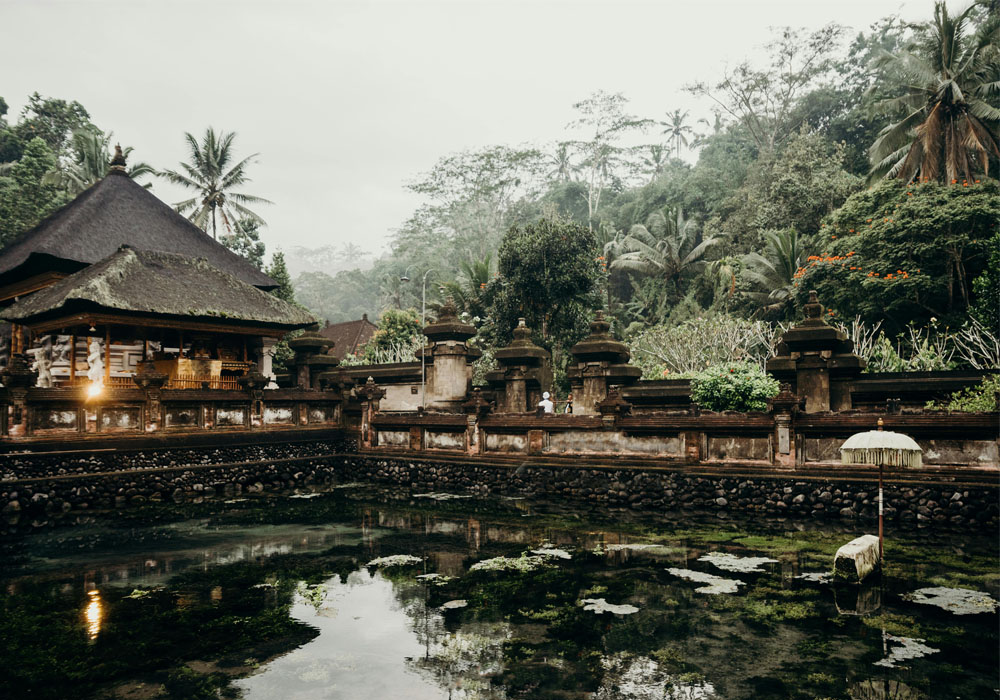
For an adult entrance fee of IDR 75,000, visitors receive a mandatory sarong and sash to explore the grounds, though a separate ritual sarong is required for those entering the water.
Located just a 30-minute drive from central Ubud, this spiritual landmark offers a profound and hands-on glimpse into the living religious heritage of the island.
Local Tip: Don’t just jump in. Hire a local guide at the gate to explain the ritual. It’s about respect, not just a photo.
- Book a [Vetted Local Guide via GetYourGuide] to ensure you follow the correct temple etiquette.
Phase 2: The Deep East (Days 4-5)
Day 4: Sidemen Valley (The “Real” Ubud)
Drive to Sidemen. This is what Ubud looked like 30 years ago. Giant rice terraces, the shadow of Mount Agung, and zero traffic lights.
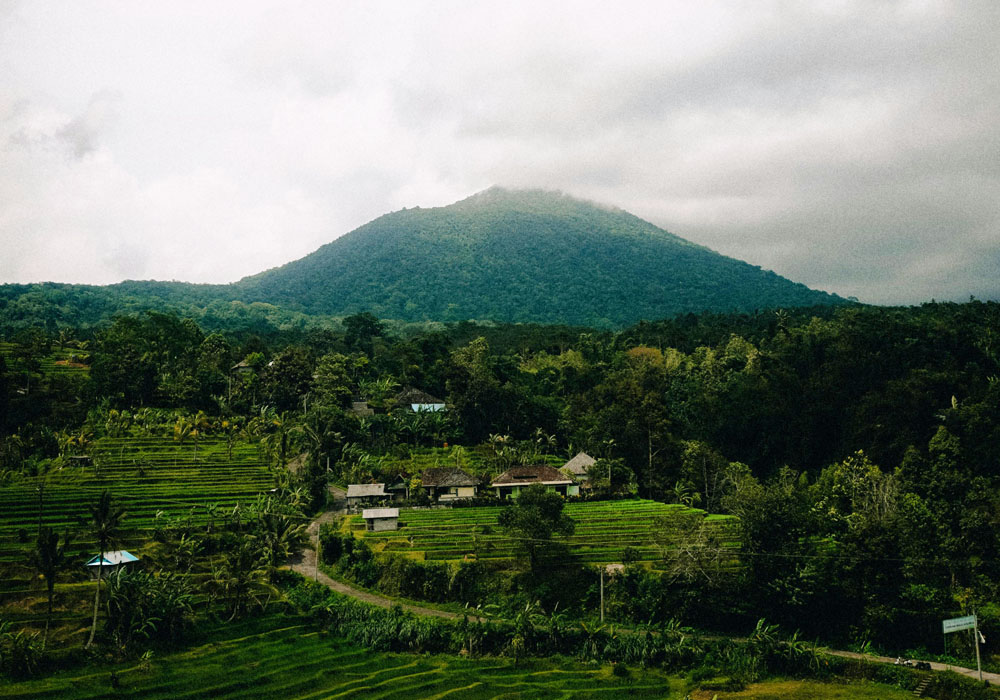
Often described as “the Ubud of 30 years ago,” Sidemen is a breathtaking valley in East Bali that remains one of the island’s best-kept secrets for those seeking old-world charm.
Nestled in the foothills of the mighty Mount Agung, the area is defined by its dramatic emerald-green rice terraces, traditional water-fed fields, and the winding Telaga Waja River.
- What to do in Sidemen? Book activities in Sidemen via GetYourGuide
Unlike the bustling tourist hubs of the south, life in Sidemen moves at a rhythmic, agricultural pace, where you can still see local farmers tending to their crops and artisans weaving the world-famous Songket and Endek textiles by hand in their homes.
The village is a sanctuary for nature lovers and those looking to disconnect, offering spectacular trekking routes through the valley and a much cooler, mistier climate. While it has seen a rise in boutique bamboo eco-stays and high-end villas overlooking the river, it maintains a deeply authentic atmosphere where the sound of temple ceremonies often echoes through the trees.
Located about a 90-minute drive from Ubud or two hours from the airport, Sidemen serves as an ideal base for exploring the “Mother Temple” of Besakih or for embarking on a challenging trek up Mount Agung. It is truly the premier destination for travelers who want to trade beach clubs for the quiet majesty of Bali’s rural heartland.
Where to stay: Stay in a bamboo villa overlooking the Telaga Waja river.
- Use Agoda to find the specific “Bamboo Eco-Lodges” that are famous in this valley.
Day 5: The Water Palace & The Gateway
Visit Tirta Gangga (the Water Palace) and Lempuyang.
Located in the serene Karangasem Regency of East Bali, Tirta Gangga and Lempuyang Temple are two of the island’s most visually stunning landmarks, often visited together due to their proximity. Tirta Gangga, a former royal water palace, is a labyrinth of pools and fountains surrounded by lush gardens and stone carvings.
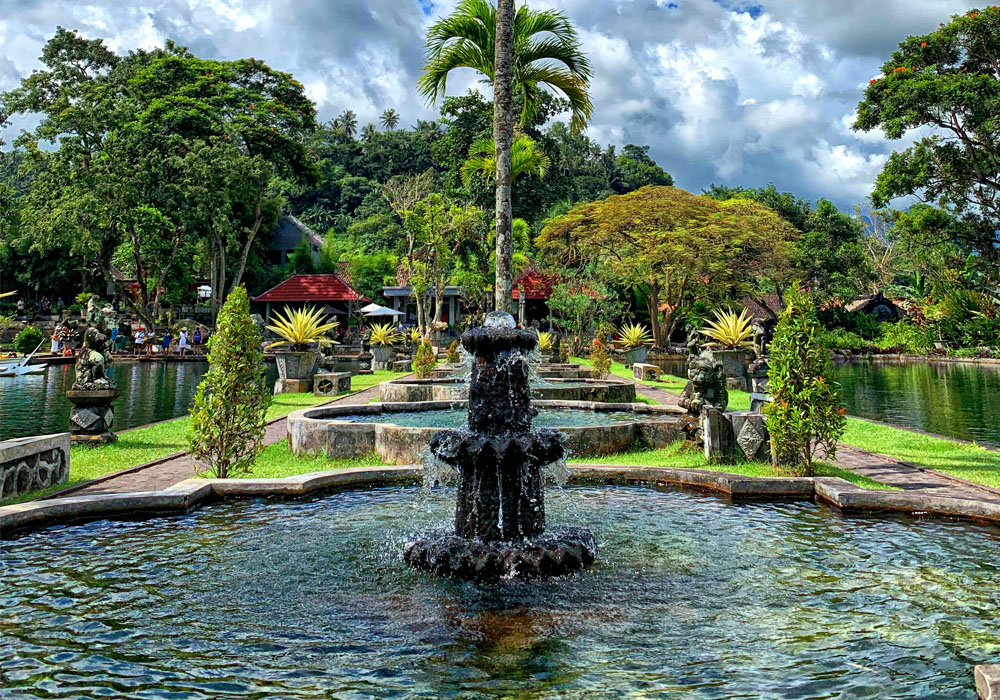
For an entrance fee of IDR 50,000, visitors can walk across the iconic hexagonal stepping stones in the main pond, which is filled with massive, golden koi fish that you can feed for a small fee. The palace’s cool, tiered fountains and tiered gardens offer a refreshing, regal atmosphere that feels like stepping back into Balinese history.
Just a 20-minute drive further into the mountains lies Lempuyang Temple, one of Bali’s oldest and most highly regarded “Sadar Kahyangan” (six holiest) temples.
It is globally famous for its “Gates of Heaven,” which perfectly frame the massive silhouette of Mount Agung in the background, creating a majestic photo opportunity. While the climb to the main temple involves over 1,700 steps, the lower gate area provides the most iconic views and requires an entrance fee of IDR 70,000, plus a mandatory IDR 50,000 shuttle bus ride from the parking area. Because of its popularity, it is essential to arrive before sunrise to avoid waiting several hours for a photo at the gates.
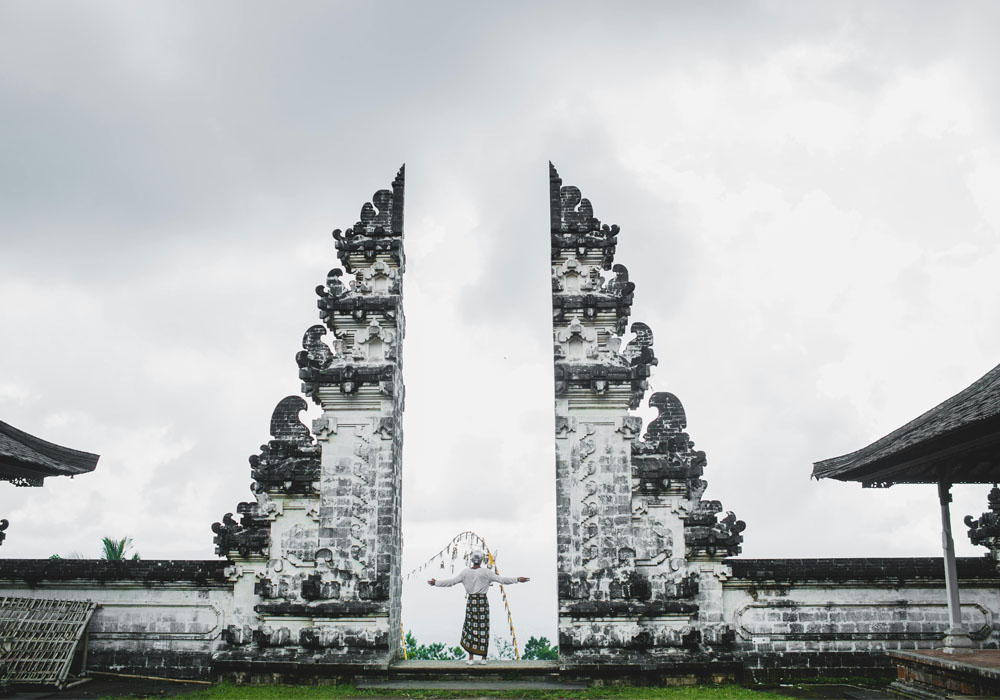
- The Reality Check: Lempuyang (The Gate of Heaven) has a 4-hour wait for a photo. Skip the line. Walk the “Outer Loop” of the temple complex instead; the views of the volcano are better and there’s no queue.
Phase 3: The Northern Mist (Days 6-8)
Day 6: The Long Road North to Munduk
This is the most beautiful drive in Bali. Pass through Bedugul and stop at the mountain lakes.
Nestled in the lush highlands of North Bali, Munduk is a serene mountain village famous for its misty ridge views, sprawling coffee and clove plantations, and some of the island’s most spectacular waterfalls.

At an elevation of around 800 meters, the area offers a much cooler, crisper climate than the coast, making it a premier destination for trekking through jungle paths that lead to hidden gems like Munduk Waterfall and the thundering Melanting Waterfall.
For an entrance fee usually ranging from IDR 20,000 to 50,000, visitors can explore these cascading falls, which are often surrounded by the intoxicating scent of drying cloves and vanilla beans from the local farms.
The village itself maintains a quiet, authentic charm with colonial-style architecture reflecting its history as a mountain retreat during the Dutch era.
Beyond the trekking trails, Munduk serves as the perfect base for visiting the iconic Pura Ulun Danu Tamblingan and the scenic Twin Lakes (Buyan and Tamblingan), where the reflective waters are often shrouded in a mystical fog.
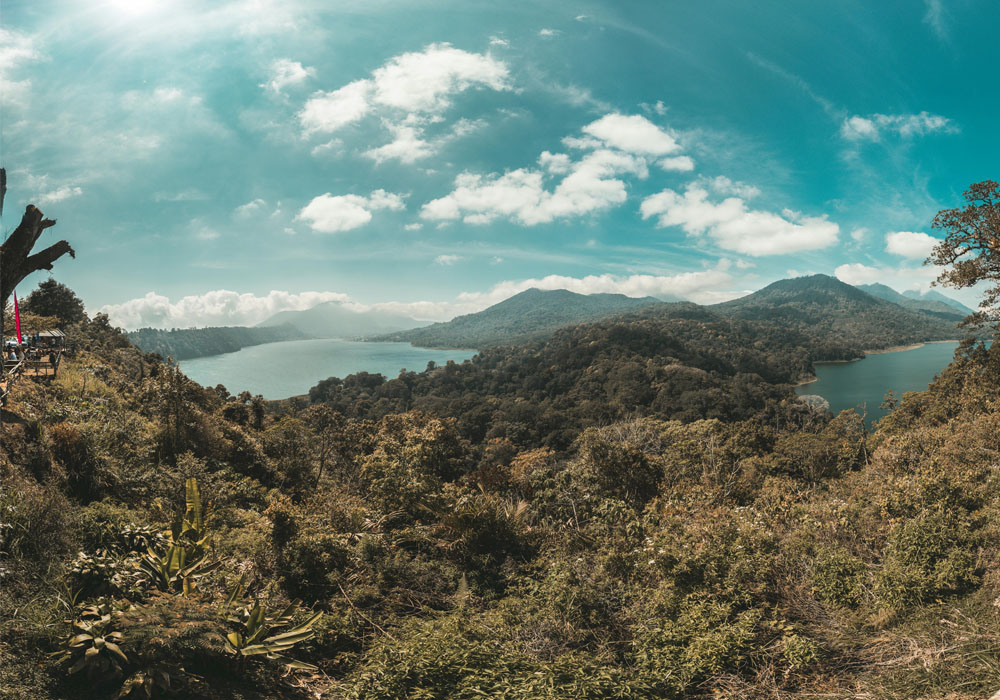
Located about a 2.5 to 3-hour drive from Ubud or southern Bali, it is a sanctuary for those looking to trade beach clubs for forest silence and world-class highland coffee. It remains one of the best areas on the island to experience Bali’s raw, natural beauty far away from the typical tourist crowds.
- The Secret: Stop at a roadside stall for Sate Kelinci (Rabbit Sate) if you’re adventurous, or just fresh strawberries with condensed milk.
- You need a car for this. [Rent a Car via GetYourGuide] or hire a driver for the North loop.
Day 7: The Twin Falls & Clove Forests
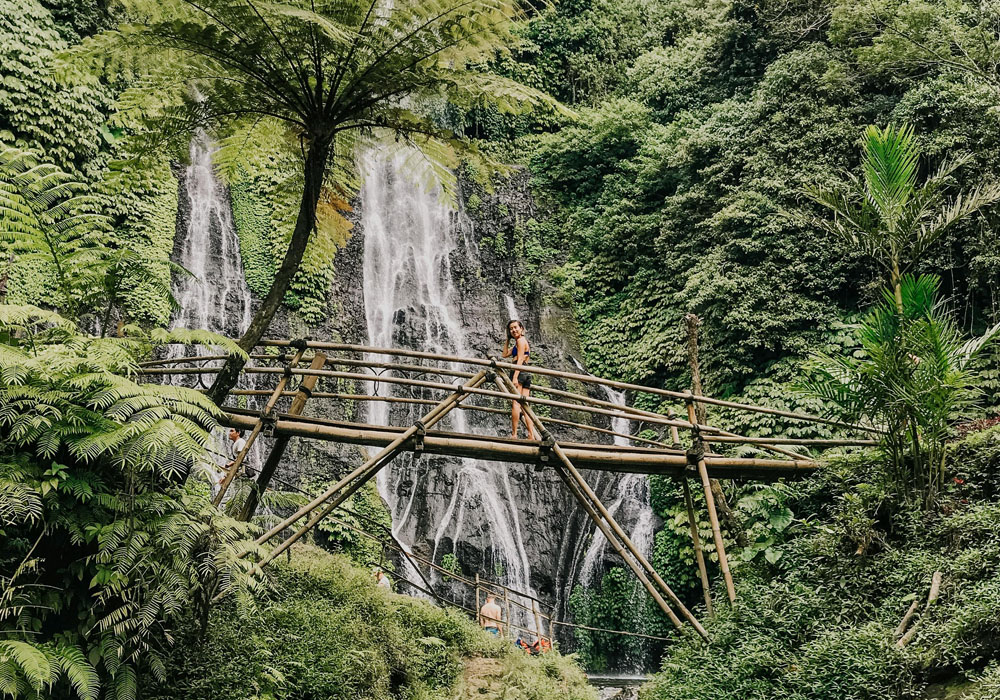
Trek to the Banyumala Twin Waterfalls.
Located just a scenic 30-minute drive from Munduk, Banyumala Twin Waterfalls is widely considered one of the most beautiful and pristine natural sites in North Bali.
Unlike the more powerful, singular drops found elsewhere, Banyumala features a spectacular curtain of water that trickles down a lush, moss-covered cliffside into a crystal-clear turquoise plunge pool.
For an entrance fee of IDR 50,000, visitors can take a moderately steep 15-to-20-minute hike down a well-maintained bamboo and dirt trail, which opens up into a tropical amphitheater that feels worlds away from the island’s busier southern hubs.
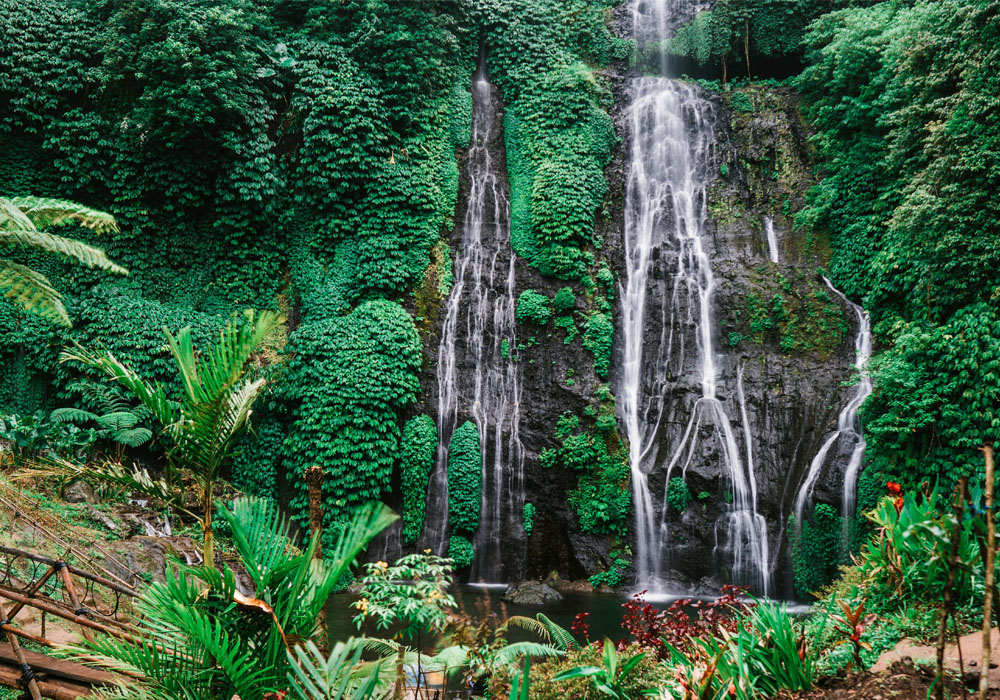
The calm, shallow basin at the bottom is perfect for swimming, offering a refreshing escape in the cool mountain air that defines the Munduk highlands. Because it is slightly more tucked away than the famous Gitgit or Sekumpul falls, Banyumala often remains less crowded, especially if you arrive before 10:00 AM.
Many travelers combine a trip here with a stop at the nearby Wanagiri Hidden Hills or the Twin Lakes viewpoint, making it an essential part of a North Bali exploration. Whether you are looking for a peaceful swim or a world-class photo opportunity, this hidden gem represents the raw, volcanic beauty of the island at its very best.
- The Secret: In 2026, the main pool gets crowded by noon. Follow the smaller stream 100 meters down for a private “jacuzzi” carved into the rock.
- Book the [Banyumala & Hidden Gems Tour via GetYourGuide] if you don’t want to navigate the muddy mountain backroads alone.
Day 8: Surf and Sunset at Canggu & The Exit
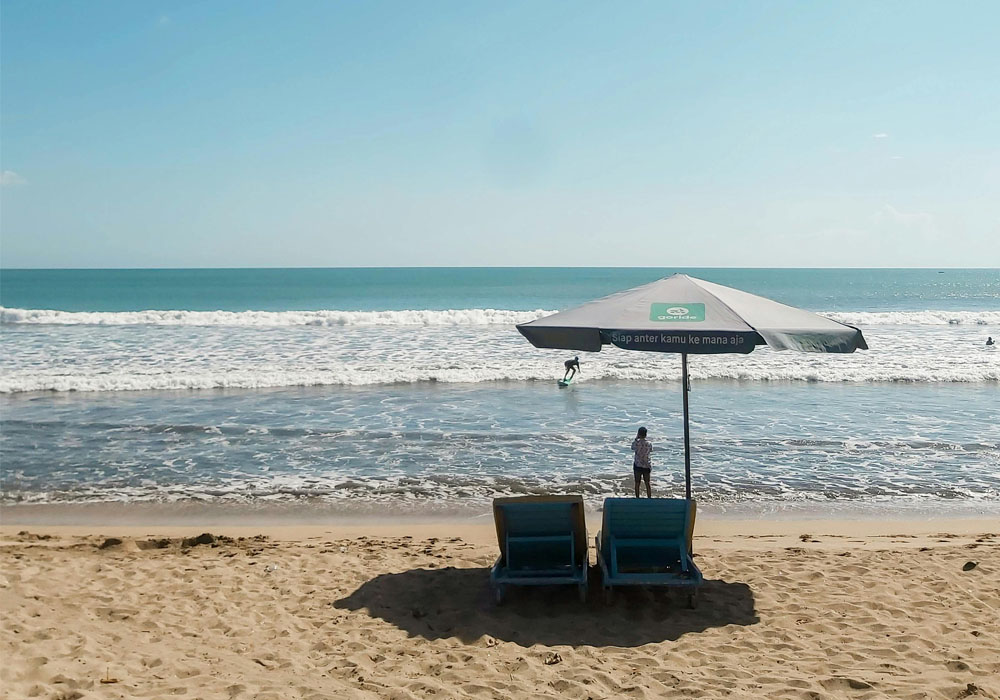
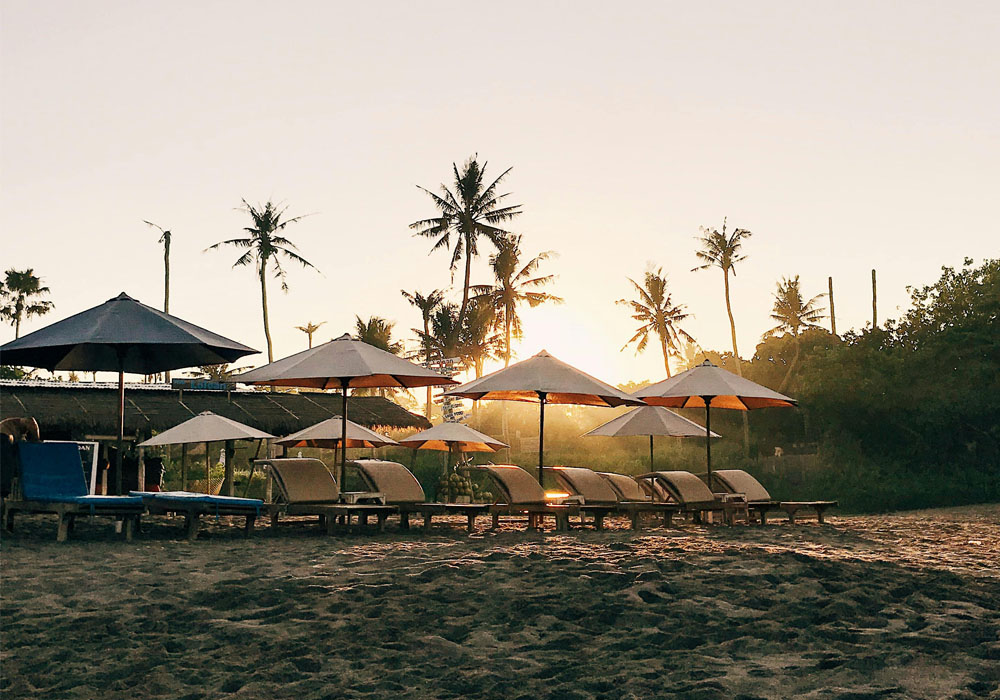
Once a quiet coastal village, Canggu has evolved into Bali’s premier hub for digital nomads, surfers, and wellness enthusiasts. This trendy area is actually a collection of interconnected neighborhoods—including Batu Bolong, Berawa, and Pererenan—each offering a unique blend of volcanic black-sand beaches and a world-class culinary scene.
Canggu is most famous for its accessible surf breaks at Batubolong Beach, its high concentration of vegan-friendly cafes, and a vibrant social energy found in its many beach clubs and co-working spaces.
Though the rapid development has brought significant traffic, the area remains a favorite for its “bohemian-chic” lifestyle and stunning tropical sunsets.
Canggu is located approximately 17–20 km (10.5–12.5 miles) northwest of Ngurah Rai International Airport (DPS). Due to heavy traffic in the Canggu, Seminyak, and Kuta areas, the drive usually takes between 45 minutes and 1 hour 45 minutes, though it can take over 2 hours during peak times.
The Gindoo “Affiliate” Toolbox
| Service | Why You Need It | Local Recommendation |
| Flights | Getting to Bali (DPS) in 2026. | [Trip.com – Cash Back Flights] |
| Hotels | For the jungle villas in Sidemen/Munduk. | [Agoda / Booking.com] |
| Insurance | Mandatory for scooters and trekking. | [VisitorsCoverage] |
| Activities | Cooking classes and temple tours. | [Viator / GetYourGuide] |
The Gindoo Reality Check (2026 Edition)
- The Tourist Levy: Have your IDR 150,000 QR code ready before you land. Use the Love Bali app.
- The “Financial” Spot Check: Officials are occasionally asking for proof of funds (bank app) to ensure you can support your stay. Have it ready.
- Plastic Ban: Bali is strict on single-use plastic now. Bring a reusable bottle; most “Gindoo-approved” cafes offer free refills.